An argan oil hair treatment can make a rushed morning look more intentional, but only if you use it with some restraint. The appeal is obvious: a few drops can soften dry ends, reduce the fuzzy halo around your part, and add shine without requiring a full styling session. The problem is that too much oil turns clean hair into visibly coated hair before you have even left for the office. I tested this category the way I test makeup: against real mornings, fast blowouts, fluorescent lights, meetings, and school pickup. If it cannot survive a Tuesday, it is not worth it.
What argan oil can realistically do
Argan oil is a plant oil rich in fatty acids and vitamin E. In practical terms, it helps smooth the hair surface and reduce the rough feeling that comes with dryness, heat styling, coloring, or winter weather. It does not repair split ends permanently, reverse hair loss, or replace a heat protectant. Once a strand is split, only trimming removes the split. An oil can make the ends look neater temporarily, which is useful, but it is not a miracle treatment.
The best results usually show up on medium, thick, wavy, curly, or processed hair. Fine hair can still benefit, but the margin between polished and greasy is much smaller. If your hair already looks oily by lunchtime, apply product only from the ears down. For coarse ends that feel rough after blow-drying, a lightweight formula can create a softer finish and make a simple ponytail look deliberate instead of rushed.
A good argan oil hair treatment should leave hair flexible, not slick. You should be able to run your fingers through it without feeling a film. That distinction matters in an office, where excess shine can look less like healthy hair and more like you forgot to wash it.
How to use it without creating greasy roots
Start with less than you think you need. For shoulder-length fine or medium hair, one drop is a reasonable first test. Long or very thick hair may need two or three drops, but add them gradually. Rub the oil between your palms until your hands feel lightly coated, then press and smooth it over the lower half of your hair. Avoid the scalp unless you are deliberately doing a pre-shampoo treatment.
On damp hair, use the oil after washing and conditioning, when the hair is towel-dried but not dripping. This is the better method if you blow-dry because it helps the ends feel less dry during styling. You still need a heat protectant labeled for blow-drying or hot tools. Oil alone is not a reliable substitute, especially if you use a flat iron or curling wand.
On dry hair, use a tiny amount as a finishing step. Concentrate on the ends, flyaways, and the outside layer that catches overhead light. Do not repeatedly add more every time you see frizz. Wait five minutes first; the finish often settles as the product spreads. The most common mistake with an argan oil hair treatment is judging the first thirty seconds and adding another pump.
Picking the right formula for your hair
Read the ingredient list instead of trusting the front label. A formula led by argan oil can feel richer than one where argan oil appears near the end of a long blend. That is not automatically bad; silicones and lighter emollients can improve slip and reduce heaviness. In fact, a blend containing cyclomethicone or dimethicone may be easier for busy mornings because it spreads quickly and gives hair a smooth, dry-feeling finish.
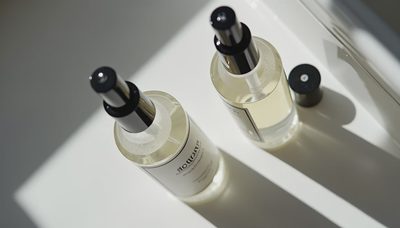
For fine hair, look for words such as lightweight, weightless, or dry oil, and choose a pump that dispenses a small amount. OGX Renewing + Argan Oil of Morocco is widely available and budget-friendly, while Moroccanoil Treatment is a more concentrated, recognizable salon-style option. Neither is universally best. The right pick depends on how much your hair absorbs and whether you prefer fragrance. Some formulas have a noticeable warm scent, so smell the product before applying it heavily for a morning meeting.
For thick, curly, or heavily lightened hair, a richer oil may be more comfortable. Apply it in sections so the ends receive product evenly. If your hair is color-treated, use a gentle shampoo and avoid assuming more oil equals more protection. Hair can feel soft while still being vulnerable to heat, friction, and chemical processing.
A ten-minute routine that looks polished
Here is the version I would use before work. First, wash or refresh your hair according to its normal schedule; do not add oil to mask a genuinely oily scalp. Second, blot with a microfiber towel or soft T-shirt rather than aggressively rubbing with a terry towel. Third, apply your regular leave-in conditioner or heat protectant. Fourth, use one or two drops of an argan oil hair treatment on the ends.
Part your hair where you normally wear it, then blow-dry the roots with a round brush or paddle brush. Keep the airflow pointed downward to help the cuticle lie flatter. When the hair is nearly dry, finish the ends and front pieces with the smallest remaining amount on your hands. A low bun, smooth ponytail, or loose shoulder-length style will usually look more professional than trying to create complicated waves in a hurry.
If you have only two minutes, skip the full application. Put one drop on your palms, smooth the ends, and use a clean spoolie or small toothbrush to press down individual flyaways. This is good for real life, not just bathroom lighting. The goal is controlled texture, not glass-like hair that requires constant checking.
Common mistakes that waste the product
The first mistake is applying oil at the roots because the label says it moisturizes hair. Your scalp produces its own oil, and adding more can make a clean style collapse faster. The second is using it before every hot-tool session without a dedicated heat protectant. The third is applying a large amount to dry hair after a humid commute. That can trap the appearance of frizz under a shiny coating rather than actually improving the style.
Another issue is buildup. If hair feels dull, sticky, or unusually difficult to rinse, use a clarifying shampoo occasionally if it fits your hair type, then condition the lengths. Do not scrub aggressively or clarify daily. Product residue can come from styling cream, dry shampoo, conditioner, and oil together, not necessarily from one product alone.
Finally, do not use a new formula the morning of an important presentation. Test it on a normal Friday or weekend first. Fragrance, heaviness, and how the product reacts to your hair texture become obvious after several hours, not after one mirror check.
Is it worth adding to your routine?
For dry ends, frequent blow-dryers, and hair that looks tired even when it is clean, an argan oil hair treatment is a useful finishing product. It can make a basic style look smoother in under a minute and may help you use fewer styling products overall. It is less useful for very fine hair that becomes flat easily or for anyone expecting a split-end repair treatment.
Think of it as a small polishing step, not a complete hair-care plan. Keep the bottle near your brush, use a measured amount, and judge the result after a full workday rather than immediately after application. If your hair still feels light at lunch and the ends look tidy at pickup, the product has earned its drawer space. Pretty in theory does not count; practical performance does.