An ampoule serum can sound like another complicated step in an already crowded bathroom cabinet. For a working woman getting two kids dressed, finding her keys, and trying to leave on time, that is not a promising introduction. The useful question is simpler: does an ampoule serum make skin look and feel better under makeup, or is it just attractive packaging? After testing skincare around early meetings, dry office air, and rushed school drop-off mornings, I look for hydration, comfortable wear, and a finish that does not turn foundation slippery by lunchtime.
What an ampoule serum actually does
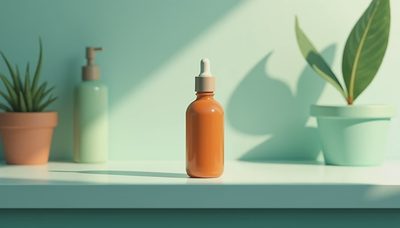
An ampoule serum is generally a concentrated skincare treatment designed to deliver selected ingredients in a lightweight formula. The name sounds more dramatic than the application. You usually apply a few drops after cleansing and before moisturizer and sunscreen. Some formulas focus on hydration with ingredients such as hyaluronic acid, glycerin, or panthenol. Others target a dull appearance with vitamin C derivatives, or support a smoother-looking texture with niacinamide and gentle exfoliating ingredients.
The important distinction is not whether the bottle says ampoule or serum. It is whether the formula suits your skin and your morning schedule. A rich, sticky product can be excellent at night but frustrating beneath concealer. A thin formula that absorbs in under a minute is much more useful when you have ten minutes before a video call. Pretty in theory does not count if your makeup pills around your nose before your first coffee.
When shopping, read the ingredient list and the directions instead of relying on a dramatic promise on the front label. A short ingredient list is not automatically better, and a high concentration is not automatically gentler or more effective. Skin comfort is the first test.
Choosing an ampoule serum for office mornings
Start with the problem you actually want to address. If your face feels tight after cleansing, choose an ampoule serum with humectants and soothing ingredients. If your skin looks tired under fluorescent lighting, a brightening formula can help create a more even-looking appearance over time. If excess shine is your concern, look for a light texture and avoid layering several heavy products before foundation.
Sensitive skin requires a slower approach. Fragrance, strong acids, and high-strength retinoid products can be irritating, particularly when combined with other active products. Patch testing on a small area is sensible, and introducing one new item at a time makes it easier to identify a problem. Do not use a new formula for the first time before an important presentation or family photograph. That is how a ten-minute routine becomes a morning emergency.
Brand names can help narrow the search, but they do not replace reading the label. Products from COSRX, Beauty of Joseon, The Ordinary, La Roche-Posay, and CeraVe cover different textures, ingredient combinations, and price points. A $15 bottle that you use consistently can be a better purchase than a $70 treatment that sits untouched because it feels sticky.
How to layer it without slowing down
A practical morning order is cleanse, ampoule serum, moisturizer, sunscreen, then makeup. Use two or three drops on slightly damp skin if the instructions support that approach. Press it in with your fingertips rather than rubbing aggressively, then wait about thirty to sixty seconds before the next layer. You do not need a long facial massage, a jade roller, or a special brush to get the benefit.
If your skin is dry, follow with a simple moisturizer. If your sunscreen already feels moisturizing, you may be able to use less cream and save a minute. Sunscreen remains the daytime step that should not be treated as optional. Skincare cannot make up for skipping daily sun protection.
Watch the amount. Applying too much is one of the fastest ways to create pilling beneath tinted moisturizer or foundation. The surface should feel comfortable, not wet. If the ampoule serum forms little rolls when you rub in makeup, reduce the amount, allow more drying time, or simplify the layers underneath.
The desk test: commute, meetings, and lunch
I judge an ampoule serum by what happens after the bathroom mirror moment. Skin should still look comfortable during a 9 a.m. meeting, not increasingly greasy under overhead lights. A well-chosen ampoule serum can give makeup a smoother base, especially when indoor heating or air conditioning leaves cheeks feeling dry. It should not leave a shiny film that makes your forehead look oily before the first calendar reminder.
Try the formula on an ordinary workday before deciding it is a success. Apply it on one side of your face, use the same moisturizer and base on both sides, and check your skin at midmorning and after lunch. Notice whether concealer gathers under the eyes, whether blush remains even, and whether the finish looks natural from a normal conversation distance. A bathroom mirror at 7 a.m. is not the same test as a conference room at 2 p.m.
This approach also keeps expectations realistic. An ampoule serum can improve hydration and the way makeup sits, but it will not erase pores, replace sleep, or transform skin overnight. If it cannot survive a Tuesday, it is not worth it.

A five-minute routine for busy mornings
On a rushed day, cleanse with a gentle product or rinse if your skin does not need a full wash. Apply a small amount of ampoule serum and let it settle while you brush your teeth. Follow with sunscreen, then use a lightweight base only where you need coverage. Add cream blush, brow gel, mascara, and a neutral lip color. This keeps the routine polished without creating ten wet layers that compete with one another.
For dry skin, place moisturizer on the areas that feel tight rather than automatically applying a thick layer everywhere. For combination skin, use less product around the nose and forehead. For oily skin, choose a watery formula and a sunscreen with a finish you already like. These small adjustments are more useful than buying a separate product for every concern.
Keep the bottle where you will use it, not buried behind products you never reach for. My own practical setup is one shelf for daily skincare and a separate drawer for occasional treatments. Fewer decisions make the morning faster, especially when a child needs help finding one shoe while your coffee is cooling.
Is an ampoule serum worth adding?
It can be, but only when it solves a specific problem and fits the rest of your routine. Hydration-focused formulas are often the easiest starting point because they can make skin feel more comfortable without requiring a major makeup overhaul. Brightening or exfoliating products deserve more caution, especially if you already use acids, retinol, or prescription treatments.
Give a new product several ordinary weeks rather than judging it after one dramatic application. Track comfort, makeup wear, and whether you actually remember to use it. If the bottle makes your morning longer, causes pilling, or leaves your skin irritated, it has not earned drawer space regardless of how popular it is online. The best ampoule serum is the one that works quietly: a few drops, a smoother base, and skin that still looks like skin when the workday is nearly over.