Multi functional makeup is supposed to make getting ready easier, not turn your bathroom counter into a chemistry lab. For a working morning, one product that handles two jobs can save five minutes, reduce decision fatigue, and leave more room for finding a missing shoe before school drop-off. The catch is that not every clever-looking product works across your whole face. Some are creamy in theory and slippery by your 10:30 meeting. Others look fine online but disappear after coffee.
I judge products by a simple standard: can they handle a commute, fluorescent lighting, lunch, and an ordinary Tuesday? A useful item should blend quickly, look professional up close, and stay comfortable without constant mirror checks. If it can't survive a Tuesday, it's not worth it.
What multi functional makeup should actually do
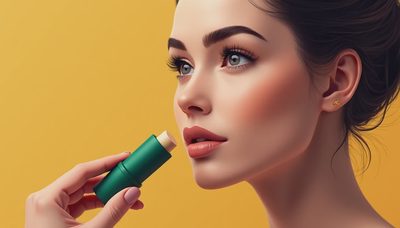
The best multi functional makeup products solve a real problem. A cream blush that also works on lips can replace two items, but it should still have enough pigment for cheeks and enough comfort for the mouth. A tinted moisturizer with sunscreen can streamline your base, though it should not be treated as a complete substitute for a dedicated sunscreen unless the label and amount used support that protection.
Look for formulas with a forgiving finish rather than extreme shine or a flat, powdery texture. Cream sticks are especially practical because they can be applied directly and blended with fingers. A neutral rose stick might add color to cheeks, lips, and even the crease of the eye. A soft brown pencil can define the lash line and fill sparse brows, provided the formula is designed for both areas and does not tug.
The point is not to use one product everywhere just because you can. The point is to carry fewer products while still looking intentional. Pretty in theory does not count when the shade turns patchy during a budget meeting.

The most useful product categories
A few categories consistently earn space in a practical makeup bag. First is a cream blush and lip color in a muted shade such as dusty rose, berry nude, or warm peach. Brands like e.l.f., Milani, Rare Beauty, and Merit offer options at different prices, but the label matters less than the finish. For work, choose buildable pigment so one light layer looks fresh and two layers can carry you into dinner.
Second is a bronzer or contour stick that can add warmth to the cheeks and softly define the eye. Avoid very orange formulas if you want a natural office look. A neutral tan is easier to blend and less obvious under overhead lights. Third is a brow gel with enough tint to add shape without making hairs look painted. It will not replace a full brow pencil for everyone, but it can handle a rushed morning.
A concealer can also do more than cover a blemish. A flexible formula works under the eyes, around the nose, and on small areas of redness. Keep the application targeted. Spreading a thick layer over your entire face usually creates more texture and does not make the routine faster.
How to build a 15-minute routine
Start with skin that is moisturized but not wet. Give moisturizer a minute to settle, then apply a thin base only where you want evening out. This keeps the face looking like skin and prevents a multitasking product from sliding around. If you use a tinted base with SPF, apply enough for the labeled protection and add separate sunscreen when needed.
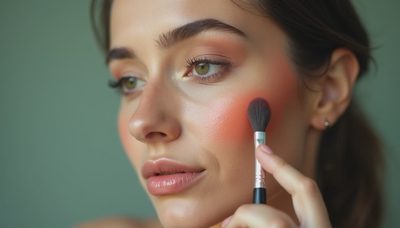
Next, tap concealer under the inner corners of the eyes, beside the nose, and over visible redness. Use a cream color product on cheeks before powder. Press it in with fingers, then use whatever remains on your fingertip across the lips. This creates a coordinated look without making the mouth and cheeks look identically painted.
Add brow gel, mascara, and a small amount of neutral shadow if your eyes need definition. A brown cream stick can be smudged along the upper lash line, but keep the edge soft and close to the lashes. Finish with translucent powder at the sides of the nose, center of the forehead, and chin. Those areas usually need control more than the cheeks do.

Choosing shades that belong in a conference room
Multi functional makeup works best when the color family is restrained. That does not mean boring; it means choosing shades that support your face instead of competing with it. Rose, soft coral, mauve, and neutral berry are dependable starting points for cheeks and lips. For a warmer complexion, cinnamon, terracotta, or peach can look polished when applied lightly. Test the color in daylight before trusting bathroom lighting.
Avoid formulas with large glitter particles for an everyday office routine. A subtle satin finish can bring life to tired skin, while visible sparkle tends to draw attention to texture and can look out of place during a client presentation. If you want more impact after work, keep a brighter lipstick in your desk drawer rather than forcing your morning product to serve every occasion.
Texture matters as much as shade. Dry skin often prefers a cream or balm, while oilier skin may need a light dusting of powder over cream color. The goal is a finish that stays put without feeling tight. A quick blot at lunch is reasonable; rebuilding your whole face in the restroom is not.
How to test a product before buying more
Do not judge a new item during a five-minute bathroom trial. Wear it through a normal workday. Apply it before your commute, check it after your first coffee, and look again before lunch. Notice whether the color fades evenly, gathers around dry patches, transfers to a phone, or becomes shiny under office lights. Those details tell you more than a perfect swatch on a retailer's website.
You can also run a simple three-day test. On day one, use the product alone. On day two, pair it with your usual moisturizer and base. On day three, apply a smaller amount and set only the areas that crease or shine. This identifies whether the problem is the formula, the quantity, or the products underneath it.
Price is not a reliable shortcut. A $12 stick that you use every morning can be a better purchase than a $38 palette that requires a brush, mirror, and extra blending. Multi functional makeup earns its place by saving time repeatedly, not by having an impressive ingredient list.
A practical desk-drawer edit
Keep one reliable lip-and-cheek color, one concealer, brow gel, mascara, and a small powder or blotting option at home. In your desk drawer, store a duplicate lip color, cotton swabs, and a compact mirror. That is enough to repair a faded mouth or a little redness before an afternoon presentation without carrying your entire collection.
If a product requires a special brush, a precise mixing ratio, or perfect skin to look good, it may not belong in the rushed-morning kit. Multi functional makeup should simplify your decisions, not create another task list. Replace products when they smell different, change texture, or pass their recommended use period; shared cream products also deserve careful hygiene.
My final rule is straightforward: buy for the life you actually have. A coordinated cream color, dependable concealer, and fast brow product can create a polished face in fifteen minutes. That is useful beauty, not influencer fantasy. Choose formulas that survive meetings and kid pickup, and your makeup drawer will finally work as hard as you do.