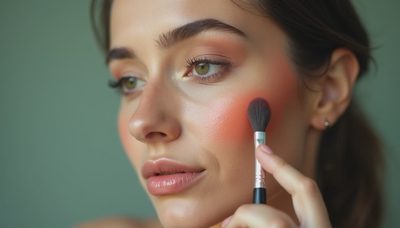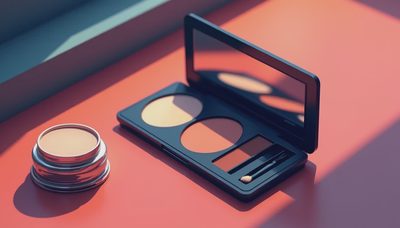
If you have ever opened your makeup bag at 8:05 a.m. and wondered where does bronzer go, you are not behind. Bronzer is one of those products that looks obvious in a beauty video and strangely confusing in a bathroom mirror. The goal is not to draw a new face. It is to add believable warmth where the sun would naturally touch, then blend it well enough for meetings, fluorescent lights, and school pickup.
Where does bronzer go on your face?
The short answer is the outer perimeter of your face: the hairline, upper cheekbones, and lightly along the jaw. If you are learning where does bronzer go, imagine a soft number three on each side. Start at the forehead near the hairline, sweep down toward the temple, curve across the cheekbone, and finish near the jaw. Keep the center of the face mostly clear.
For most people, the best cheek placement is slightly higher than the apples of the cheeks. Smile if you need to find them, then place the color a little above that rounded area rather than directly on it. Blush usually belongs on the apples or upper cheeks; bronzer should sit farther out and slightly back. This separation keeps your face looking structured instead of orange or overly flushed.
Your nose can take a tiny amount, but this is where many routines go wrong. A light touch across the bridge can look natural, while a dark stripe down the sides often looks obvious in office lighting. The same rule applies to the forehead: use the hairline, not the middle of the forehead.
How to choose the right bronzer placement
Skin tone, face shape, and formula all affect where does bronzer go in practice. On a round face, keeping color toward the temples and upper cheekbones can create gentle definition. On a longer face, avoid dragging product too far down the jaw; focus on the forehead and cheek area instead. These are guidelines, not makeup laws. Your face does not need to be corrected into a different shape before you leave for work.
The formula matters just as much as placement. Powder bronzer is usually the fastest choice for a weekday routine, especially over foundation, tinted moisturizer, or sunscreen. A matte or softly satin powder from brands such as Maybelline, Milani, e.l.f., or Benefit is easier to control than a glittery formula. Cream bronzer can look beautiful and skinlike, but it needs more blending and can disturb a light base if you rub too hard.
Choose a shade that looks like warmth, not a tan painted over your skin. One or two shades deeper is often enough. If the bronzer turns orange, gray, or dramatically darker than your neck, placement will not rescue it. A neutral-to-warm brown usually works better for everyday makeup than a strongly orange shade.
Where does bronzer go with foundation and blush?
Layering solves much of the confusion. Apply complexion products first, then bronzer, blush, and highlighter if you use one. Once you know where does bronzer go, keep it behind the blush rather than covering the entire cheek. Place bronzer near the temple and upper cheekbone, then put blush slightly forward. The colors should meet softly, not form separate stripes.
For a quick office face, I use this order: lightweight base, concealer only where needed, bronzer around the perimeter, blush high on the cheeks, and a small amount of powder through the T-zone. This takes less than two minutes once the placement becomes familiar. If your skin is dry, skip heavy powder under the cheeks and press cream products in with your fingers before setting only the areas that crease or shine.
Highlighter is optional. If you wear it, keep it on the highest point of the cheekbone and away from textured areas. A shiny bronzer can make pores and fine lines look more noticeable under overhead lighting. Pretty in theory does not count if you look in the conference room mirror and see a reflective stripe.
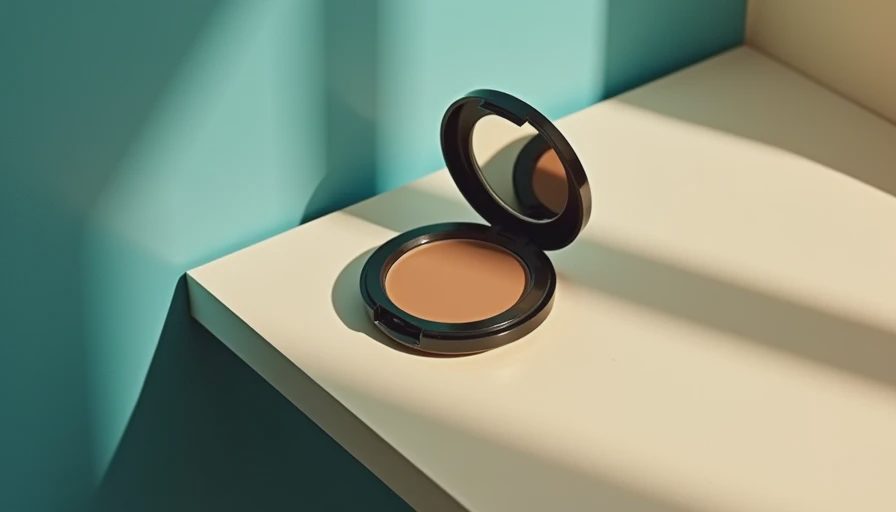
A five-minute bronzer routine that survives work
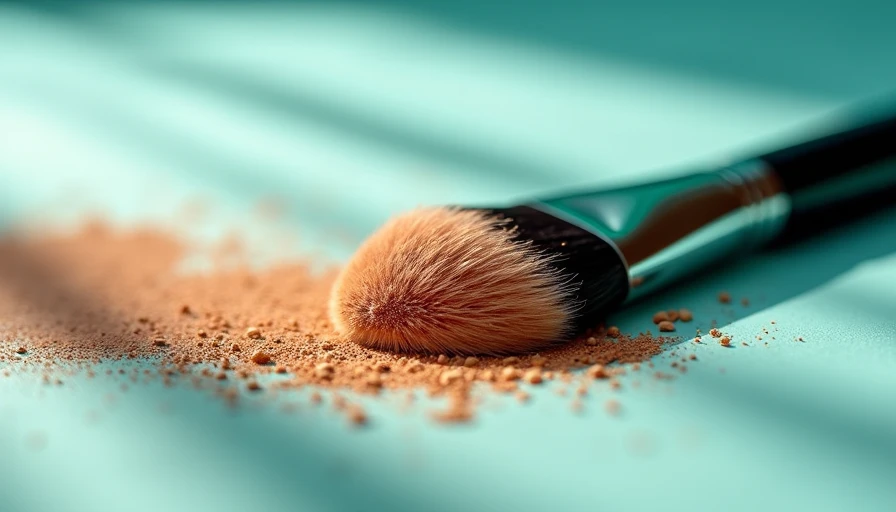
Start with a clean, moisturized face and allow sunscreen to settle for a minute. Dip a medium fluffy brush into powder, then tap off the excess. Touch the brush at the hairline beside one temple. Sweep toward the cheekbone in small, controlled motions instead of pulling one long dark line.
Repeat on the other side, then use whatever remains on the brush along the jawline. If your neck is noticeably lighter than your face, blend the leftover product downward, but do not create a heavy band under the chin. Add a small amount to the bridge of the nose only if the rest of the face already looks balanced.
Step back from the mirror. This matters because makeup often looks stronger up close. If the color is too obvious, use a clean brush to soften the edges. If one side is darker, do not keep adding product to the other side. Remove a little with a clean sponge or your foundation brush, then blend again.
For long days, use a thin layer rather than a heavy application. Powder can last through a commute, an eight-hour desk day, and coffee runs when it is pressed lightly over a set base. Keep a small brush in your bag for a midday touch-up, but start with the T-zone before adding more color to the cheeks.
Common bronzer mistakes to stop making
The first mistake is putting bronzer everywhere. Covering the entire face can flatten your natural dimension and make the shade look muddy. The second is using a tiny, stiff brush. It deposits too much pigment in one spot and makes blending harder, particularly around the temples. A medium fluffy brush gives you more control.
Another problem is choosing bronzer based on the pan instead of the result. A deep, red-toned product can look attractive in its packaging but harsh against a lighter base. Test it along the jaw in daylight when possible. Store lighting can hide a color mismatch, while a window or car mirror usually tells the truth.
People also ask where does bronzer go when they are using contour. They are not the same product. Bronzer adds warmth; contour is generally cooler and intended to create the appearance of shadow. You do not need both for a polished workday. If you use contour, keep it subtle beneath the cheekbone, then place bronzer higher and farther outward.
Where does bronzer go for different workday looks?
For a barely-there face, use a small amount at the temples, upper cheekbones, and jaw, then skip the nose. For a more polished presentation or client meeting, add a second light layer only after the first is blended. Where does bronzer go for a late afternoon event? Keep the same placement and add color gradually rather than moving it closer to the center of the face.
If you wear glasses, pay attention to the area beside the frames. Too much product there can rub away or make the sides of the face look heavy. If you have bangs, focus less on the forehead and more on the temples and cheeks. If you wear a high neckline, blend the jaw carefully so your face and neck do not look disconnected.
The best routine is the one you can repeat without thinking. Use a shade you trust, a brush that does not scratch, and enough product to add warmth without announcing itself. If it cannot survive a Tuesday, it is not worth it. Once you understand where does bronzer go, the product becomes a two-minute finishing step instead of another decision before work.