Arrowroot dry shampoo is one of those simple beauty ideas that sounds almost too practical to be interesting. Then you have a 7:30 a.m. daycare drop-off, a commute, and a 9 a.m. meeting, and suddenly an extra hair-washing day sounds like a luxury. Arrowroot powder can absorb some oil at the roots, add a little grip, and make hair look fresher when a full wash is not realistic.
That said, it is not magic, and it is not a substitute for washing your scalp. The right amount can make second-day hair look polished. Too much can leave a chalky film, a heavy feeling, or visible patches under bright office lighting. If it can't survive a Tuesday, it's not worth it, so the application matters as much as the ingredient.
What arrowroot powder does in dry shampoo
Arrowroot powder comes from the arrowroot plant and has a fine, silky texture. In a dry shampoo formula, it helps absorb excess oil around the roots. The effect is similar to what many people want from commercial powder dry shampoos: less shine, more lift, and hair that looks less flattened against the head.
The important distinction is that arrowroot dry shampoo does not clean hair. It does not remove sweat, product buildup, pollution, or scalp residue. It temporarily changes how your hair looks and feels. For a busy professional, that can still be useful. A quick root refresh before a video call or an afternoon presentation is a reasonable use, especially when your hair is otherwise clean enough to style.
Plain arrowroot powder is generally pale, so it tends to work best on blonde, gray, light brown, or highlighted hair. On medium or dark hair, a visible cast is more likely. Some ready-made products mix absorbent powders with mineral pigments, cocoa-colored ingredients, or charcoal to make the finish less obvious. The blend should be made for hair, not improvised with a heavily scented pantry mixture.
How to apply arrowroot dry shampoo without a mess
Start with completely dry hair. Oil-absorbing powders clump when they meet damp roots, which makes the product harder to distribute and more noticeable. Part your hair in small sections around the crown, temples, and hairline. These are usually the areas that look oily first.
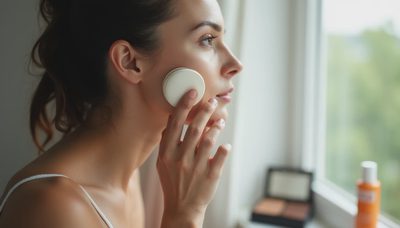
Use a tiny amount. A shaker bottle, clean makeup brush, or small powder puff gives you more control than pouring a pile directly onto your scalp. Place a little powder on your fingertips or brush, tap off the excess, and press it into the roots. Do not coat the entire length of your hair; the roots need the help, while the ends often benefit from their natural softness.
Wait two to five minutes before brushing. This gives the powder time to absorb oil instead of disappearing immediately into your brush. Then massage the roots lightly with clean fingertips and brush through. If your hair is fine, finish with a cool blast from a blow dryer for extra lift. If your hair is curly or textured, use your fingertips or a diffuser on low rather than brushing out the pattern.
Arrowroot dry shampoo usually looks better when applied at night instead of right before leaving. A small amount can work while you sleep, and the morning finish tends to be softer. This approach is especially useful if you have an early meeting and no time for repeated blending in the bathroom.
Choosing the right formula for your hair color and texture
If you have light hair, a plain powder may blend easily, but you still need to check the part line and front hairline. Those areas catch the most light. A tinted product can be more practical if your hair is brunette, auburn, or black. Look for packaging that clearly describes the shade and test a small amount near the underside of your hair before using it before work.
Fine hair often needs less product than thick hair because excess powder can make it feel stiff and dull. Thick or dense hair may need several small applications rather than one heavy layer. For oily scalps, powder can help between washes, but applying more each morning can create buildup. If your roots feel gritty or your scalp becomes itchy, wash your hair rather than adding another layer.
Fragrance deserves attention, too. A strong floral or sugary scent can be distracting in a small conference room, an elevator, or a shared office. An unscented or lightly scented arrowroot dry shampoo is usually the more professional choice. Pretty in theory does not count if you can smell it throughout a two-hour meeting.

Arrowroot dry shampoo versus aerosol products
Aerosol dry shampoos are fast and familiar. They often spread more evenly, provide immediate texture, and can be convenient when you are dressing in a hurry. Their downside is that the spray can feel cold, strongly fragranced, or difficult to control around the face. Powder formulas create less airborne product when applied carefully, but they require more blending and a slower hand.
Arrowroot dry shampoo also gives you more control over the amount used. That can be helpful for a small touch-up at the temples instead of covering your whole head. On the other hand, a powder may not provide the same volume or styling finish as products containing starches, silica, or polymers. If your goal is dramatic lift, a commercial styling formula may perform better. If your goal is simply to make oily roots look presentable before work, the simpler option can be enough.
Price is another practical difference. A jar or shaker of powder can cost roughly $10 to $25, depending on the brand and ingredients. A specialty aerosol can fall in a similar range but may run out faster with frequent use. Compare the amount, packaging, scent, and shade rather than assuming the most expensive bottle will work best.
A five-minute office-ready routine
Begin by brushing out tangles and identifying the oily areas. Apply arrowroot dry shampoo only where the roots look shiny or feel flat. Let it sit while you put on moisturizer, sunscreen, and a simple work makeup routine. That waiting time prevents you from rushing the blend.
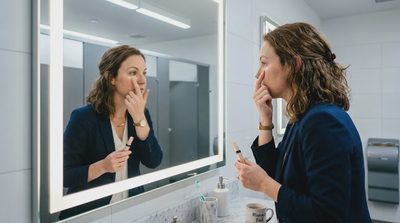
After a few minutes, massage the roots and check your hair in natural light if possible. Fluorescent office lighting can reveal a pale cast that looked invisible in a warm bathroom. Add a small amount of tinted powder only where needed. Pulling the front sections into a low ponytail, claw-clip twist, or neat bun can make the finish look intentional without adding more product.
Keep a travel-size container and a small brush in your desk or car, but avoid applying powder in a crowded elevator or directly over your face. Apply in a ventilated space, keep it away from your eyes, and stop using it if your scalp becomes irritated. A patch test is sensible if you have reactive skin or allergies.
When to skip dry shampoo
Skip arrowroot dry shampoo when your hair is wet, sweaty, or coated with heavy styling products. Powder cannot fix hair that needs a real rinse. It is also not the best answer for persistent itching, redness, flaking, sores, or unusual scalp changes. Those symptoms deserve attention from a healthcare professional rather than another beauty product.
For routine use, try to wash your hair according to your scalp and hair type instead of following a rigid every-other-day rule. Some people need frequent washing; others can go longer comfortably. Use the powder as a bridge for one busy day, not as permission to ignore buildup for a week.
The best arrowroot dry shampoo is the one you can apply lightly, blend completely, and forget about once you leave the house. Test it on a normal workday before relying on it for an interview, presentation, or travel morning. If your roots look fresh at 8:15 a.m., still look believable after lunch, and do not distract you during kid pickup, it has earned space in your drawer.