An artificial hair extension can be the difference between a rushed ponytail and hair that looks intentionally styled before your first meeting. By artificial, I mean a synthetic extension made from manufactured fibers rather than human hair. The good ones add volume, length, or a little shape without requiring a salon appointment every week. The bad ones look shiny, tangle by lunch, and become one more thing you have to wrestle with before daycare drop-off.
For a working woman, the goal is not dramatic transformation. It is believable hair that works with your morning schedule, office dress code, commute, and afternoon plans. If it cannot survive a Tuesday, it is not worth it.
What to Look For Before You Buy
Start with the fiber. A heat-friendly artificial hair extension gives you more styling flexibility than basic synthetic fiber, but “heat-friendly” does not mean heat-proof. Many products tolerate low temperatures, while high heat from a flat iron or curling wand can melt, frizz, or permanently change the fiber. Read the temperature limit and use an inexpensive thermometer setting on your tool rather than guessing.
Next, compare color in daylight. Online photos often make black look softer and blond look more blended than it appears in person. A shade with subtle highlights usually looks more natural than a single, flat block of color. If you are between shades, a slightly lighter extension can be easier to blend than one that is too dark and glossy.
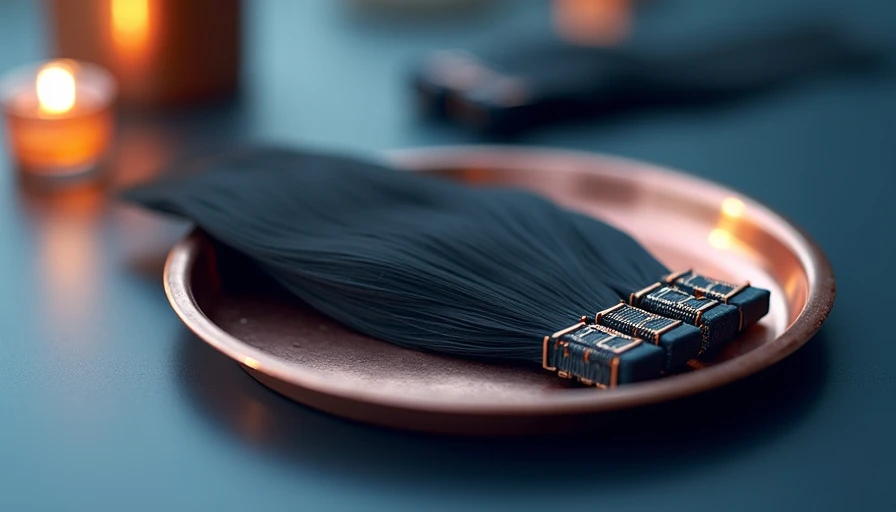
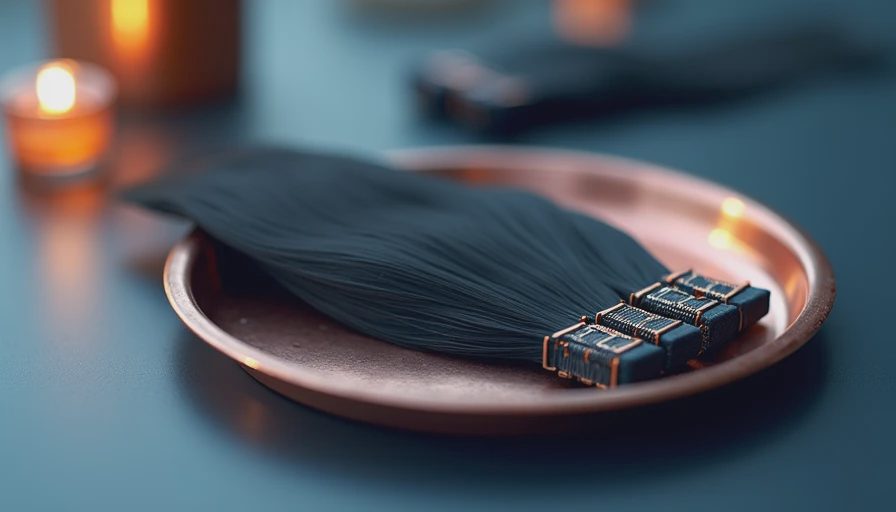
Pay attention to the attachment. Clip-ins are practical for occasional volume and can be removed before bed. Halo extensions are quick once you learn the placement, although they can feel unusual at first. Ponytail pieces are the fastest option for a busy morning, but the base must be hidden carefully. An artificial hair extension with a light, secure weft is more comfortable than one with bulky clips that pull at your roots.
How to Make Synthetic Hair Look Real
The most common mistake is placing an artificial hair extension over perfectly smooth, freshly brushed hair. That creates a visible line and makes the added piece look separate from your own hair. Instead, add a little texture at the attachment area. A small amount of dry shampoo or texturizing spray gives the clips something to grip and reduces excessive shine.
For clip-ins, part your hair horizontally at the back of your head, secure the upper section, and gently tease the roots where the clips will sit. Do not backcomb the entire head. You only need enough lift to disguise the seam. After attaching the piece, release your hair and blend the top layer with your fingers. A few loose pieces around the face help more than aggressive brushing.
A ponytail extension works best when your own ponytail is compact and placed at the same height as the added hair. Wrap a small section of your natural hair around the base to hide the band. For an office-ready finish, keep the ponytail smooth but not lacquered. A little movement looks more believable under fluorescent lighting.
Everyday Styling Without Damage
A synthetic piece does not receive natural oils from your scalp, so it can become dry-looking and tangled faster than your own hair. Brush from the ends upward using a wide-tooth comb or extension brush. Hold the hair above the section you are combing so you do not pull directly on the clips or attachment.
If you use an artificial hair extension that allows heat, keep styling simple. A low-temperature wave, a soft bend at the ends, or a neat low ponytail is usually enough. Avoid repeated passes with a hot tool. Heat can create a smooth finish for one day and leave the fibers rough for every day after that.
Do not apply regular hairspray, heavy oil, or silicone-rich shine spray without checking the care instructions. These products can coat synthetic fibers and attract dust. If the hair looks too glossy, a light mist of dry shampoo from a distance can reduce the plastic appearance, but test a hidden section first. Pretty in theory does not count if the result looks obvious in a conference room.
Washing and Storage That Actually Helps
Wash only when the piece needs it. Frequent washing shortens the useful life of synthetic extensions, especially when they are worn for short periods. Fill a basin with cool water and a small amount of shampoo formulated for synthetic hair or wigs. Let the piece soak rather than scrubbing it. Rinse with cool water, apply a compatible conditioner if the instructions permit, and press it gently in a towel.
Never wring an artificial hair extension or brush it aggressively while wet. Place it on a towel or wig stand until completely dry. A hot blow-dryer can damage fibers even when a curling tool is technically allowed. Once dry, comb from the ends upward and store it loosely in a breathable bag. Keeping it compressed in a crowded drawer encourages bends, tangles, and dust.
I keep clip-ins on a simple hanger with the clips closed. That small habit prevents them from becoming a knot at the bottom of a makeup drawer. It also makes the piece visible, which matters when you have fifteen minutes and cannot afford a scavenger hunt.
Is the Investment Worth It?
Prices vary widely, but a useful synthetic piece commonly costs less than a single professional blowout and can serve for months with careful handling. Budget options around $20 to $40 can work for an occasional event or quick ponytail. A more convincing artificial hair extension in the $50 to $100 range often offers better color blending, lighter construction, and more durable fibers. That does not make every expensive option good; construction matters more than the label.
Think about how often you will wear it. If you want extra fullness for work two or three times a week, clip-ins provide better value than a dramatic long piece you will avoid. If you need five-minute styling after a shower, a ponytail or halo design may earn its drawer space faster. The right choice should solve a repeated problem, not create a new maintenance project.
Read return policies carefully because many beauty retailers restrict returns once packaging is opened or the hair is handled. Check the length against your own hair, inspect the base, and compare customer photos when available. Product photography is useful, but it is not a substitute for seeing how fibers behave in normal light.
My Practical Workday Test
Before wearing a new artificial hair extension to an important presentation, test it on an ordinary day. Put it on before work, drive with it, sit under office lighting, and wear it through lunch. Notice whether the clips pinch, the color separates, or the ends begin tangling against your coat collar. Walk outside and check it in daylight before deciding it is a match.
A successful test should leave you thinking about your job, not your hair. You should be able to move your head, take off a jacket, and get through a car ride without constant adjustment. If the piece shifts, add better root texture or reposition the attachment; do not simply add more pins until your scalp hurts.
The best artificial hair extension is the one that gives you a polished shortcut without announcing itself. Choose a believable color, use gentle handling, and keep the styling restrained. For busy mornings, that is a much better standard than chasing perfect, camera-ready hair. If it cannot survive a Tuesday, it is not worth it.