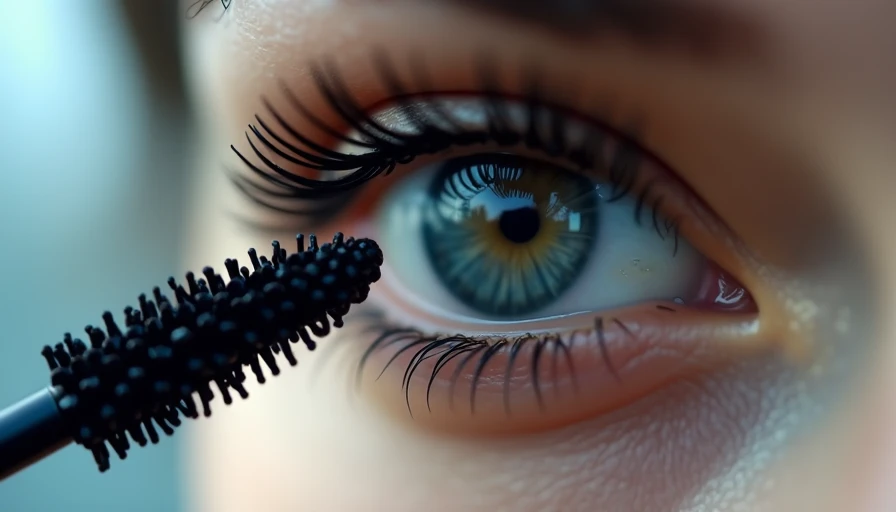
Bottom lash mascara is one of those small makeup steps that can make a tired face look more awake, but it is also one of the easiest places to create a mess. One heavy swipe can leave smudges beneath your eyes, spidery lashes, or a look that feels more suited to a night out than an 8:15 a.m. staff meeting. The goal is definition, not drama.
For a working-day routine, I want a formula and brush that separate short lower lashes without requiring perfect lighting or a magnifying mirror. If it cannot survive a Tuesday, it is not worth it. That means the product needs to handle coffee, a commute, fluorescent office lighting, and an afternoon school pickup without turning gray beneath the eyes.
Why Lower Lashes Need a Different Formula
The lashes along your lower lid are usually shorter, finer, and closer to the skin than the lashes on top. A large hourglass wand can deposit far too much product in one pass. It may look impressive in a close-up video, but in real life it can make the eye area look weighed down. This is especially noticeable if you have under-eye concealer, fine lines, or naturally watery eyes.
A good bottom lash mascara usually has a narrow brush, a slightly drier texture, or a buildable formula. Tiny plastic bristles can reach individual lashes more precisely than a thick fiber brush. Tubing formulas are also worth considering because they wrap the lashes and tend to resist ordinary smudging. They often remove with warm water and gentle pressure, which is useful when you are too tired to scrub around your eyes at night.
Drugstore options from Clinique, Maybelline, CoverGirl, and L'Oreal can work well when the brush is compact and the formula is not overly wet. A dedicated lower-lash product is not essential, but it can be convenient if you regularly struggle with transfer. Otherwise, use the tip of a regular wand and avoid pressing the full brush into the lower lash line.
How to Apply Bottom Lash Mascara Without Smudges
Start with clean, dry lower lashes. If you apply eye cream directly beneath the eyes, give it a few minutes to absorb before adding makeup. Excess moisturizer creates a slippery surface, and even a reliable formula can migrate when the skin remains tacky.
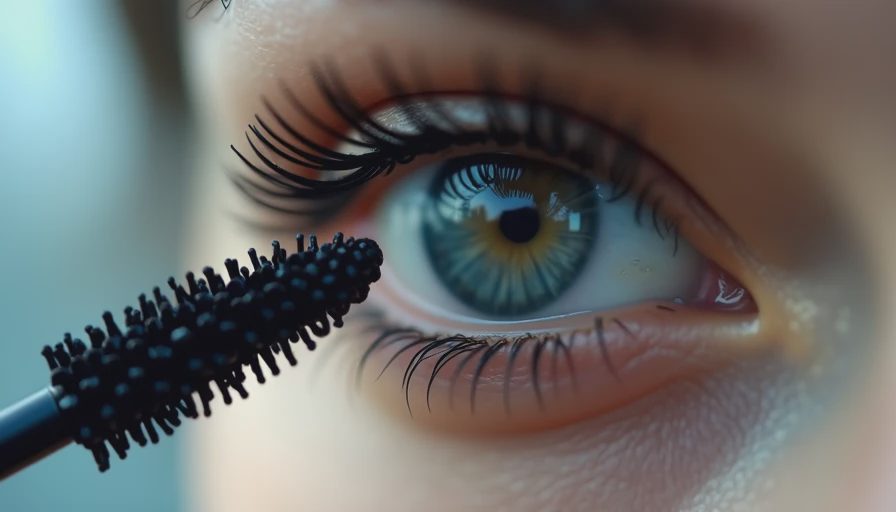
Look slightly upward, then hold the wand vertically rather than sweeping it horizontally. Use the narrow end or the very tip to touch individual lashes. Begin at the roots with a small wiggle, then pull down once. One coat is usually enough for an office look. If you want more definition, wait about thirty seconds and add a second coat only to the outer half of the lower lashes.
Keep a clean cotton swab nearby, but do not immediately wipe away every tiny mark. Let a mistake dry for a minute first. Dried mascara lifts away more cleanly from the skin than wet mascara, which tends to spread into a larger gray patch. A pointed cotton swab and a little micellar water can fix the area without removing your concealer.
The best bottom lash mascara application is controlled and boring in the best possible way. You should notice brighter-looking eyes, not individual black spikes competing for attention. If your lower lashes are extremely sparse, tightlining the upper lash line or curling the top lashes may create more impact than adding another coat below.
Choosing a Product for Office Wear
For everyday work, I would prioritize a slim wand, a soft black or dark brown shade, and a formula that sets quickly. Jet black can look polished, but brown-black is often more forgiving with minimal makeup or fairer coloring. Waterproof formulas have a place if you deal with watery eyes, summer humidity, or an emotional meeting, although some can feel stiff and require more effort to remove.
A tubing option is practical for long days because it usually resists the oily smudging that appears by lunchtime. Brands such as Thrive Causemetics, Blinc, and Clinique offer formulas in this category, while drugstore shoppers can look for compact brushes from Maybelline or CoverGirl. The exact winner depends on your lashes, but the buying principle is simple: small brush first, dramatic claims second.
Avoid formulas with large fibers if your lower lashes are short. Fibers can create length, but they can also catch on the skin below the eye and exaggerate every bit of fallout. Heavy volumizing products are another common problem. Volume on top can open the eyes; too much volume below can visually pull them downward.
A Five-Minute Lower-Lash Routine
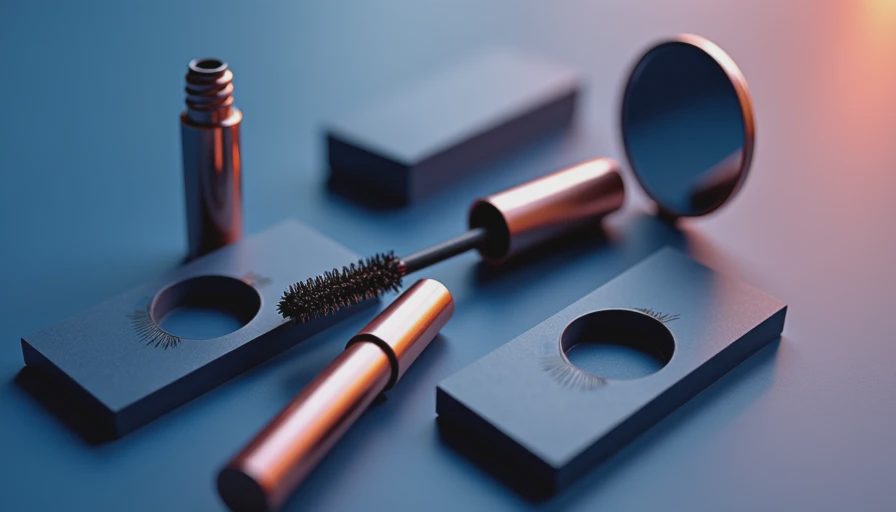
When I am getting ready before daycare drop-off, I do not want a delicate process with four tools. I apply concealer first, set only the crease beneath the eyes with a small amount of powder, and then finish the top lashes. Lower lash mascara comes last so powder or shadow fallout does not cling to fresh product.
I wipe excess formula from the wand on the tube opening, then make two or three short touches across each eye. The inner corner gets the lightest application because that area tends to collect product and look messy fastest. I concentrate a little more on the outer lower lashes if I want a subtle lifted effect, but I stop before the lashes look connected.
After application, I check both eyes in a regular mirror from arm's length. Bathroom lighting can hide a smudge, while an office hallway mirror often reveals it immediately. This quick check takes less than a minute and saves the awkward discovery that your mascara has traveled halfway to your cheeks during a morning meeting.
If your eyes water during a commute, carry a cotton swab instead of a full makeup bag. Blot the corner gently, let any transfer dry, and lift it away. Rubbing usually makes the problem worse and can disturb the concealer around it.
Common Mistakes That Make Eyes Look Tired
The first mistake is applying the same amount of product below the eyes as above them. Lower lashes need less. The second is pumping the wand repeatedly, which pushes air into the tube and can make the formula dry out faster. Twist the wand out slowly and use what is already on the brush.
Another mistake is layering over yesterday's residue. Even a good bottom lash mascara will clump if old product remains on the lashes. Use a gentle eye makeup remover at night, especially around the lower lash line, and avoid sleeping in mascara. Irritated eyes water more easily the next morning, creating a cycle of smudging and reapplication.
Finally, do not judge the look from two inches away. Makeup is meant to be seen at normal conversation distance. If the lashes look neat from across your desk and your eyes appear more defined, you have done enough. Pretty in theory does not count; wearable definition does.
The Practical Bottom Line
Bottom lash mascara works best as a detail, not the star of the face. Choose a narrow brush, use one careful coat, and let the rest of your eye makeup carry the look. A compact drugstore wand may perform just as well as a specialty product when the formula sets and the brush reaches short lashes without touching the skin.
For most office mornings, dark brown or soft black gives a cleaner result than an intense, wet formula. Tubing mascara is a strong option for people who battle afternoon smudges, while waterproof mascara makes sense for watery eyes or humid weather. Try the product on a normal workday rather than saving it for an important presentation.
The right bottom lash mascara should make you look rested, organized, and ready for the day without announcing itself. That is the standard I use for every product in my makeup drawer. If it can handle meetings, lunch, fluorescent lighting, and kid pickup, it has earned its place.