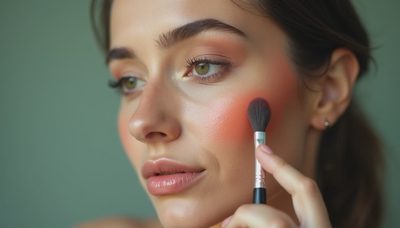
Learning how to choose concealer shade is less about finding one magical color and more about matching the product to the job. The shade that brightens tired under-eyes is not always the shade that covers a blemish, and neither has to be dramatically lighter than your skin. For a real workday, the goal is skin that looks rested and even at 8:15 a.m., under fluorescent lights, and during a two-hour meeting.
Start with the job, not the shade name
Before you buy anything, decide where you will use the concealer. Under-eye concealer usually works best when it is close to your skin tone or only slightly lighter. A shade that is two or three levels lighter can create pale half-moons, especially after foundation settles and the rest of your face warms up. For dark spots, redness, and small breakouts, choose a concealer that matches your foundation or natural skin as closely as possible. A lighter shade can make the mark look more obvious instead of hiding it.
This is the first practical rule for how to choose concealer shade: one product can do several jobs, but it may not do every job perfectly. If you want a simple fifteen-minute routine, buy a reliable skin-matching shade first. Add a slightly brighter under-eye shade only if you regularly look tired or shadowed after applying foundation.
Your skin depth also changes the answer. Fair, light, medium, tan, and deep are useful starting categories, but they are not precise enough on their own. Two medium shades can look completely different if one is golden and the other is pink or olive. Shade descriptions such as neutral, warm, cool, golden, peach, or olive give you the next piece of information.
Find your undertone in ordinary bathroom light
Undertone is the color beneath the surface of your skin, and it generally stays fairly consistent even when you tan. Warm undertones often look yellow, golden, or peach. Cool undertones can look pink, rosy, or bluish. Neutral undertones sit between the two. Olive undertones often have a muted green or golden cast, which is why many standard beige shades turn noticeably orange or pink.
The easiest test is to compare shades along your jawline, not your hand. Your hands get more sun and can be a different color from your face. Place two or three narrow swatches from the lower cheek toward the jaw, then wait a few minutes. The best shade should seem to disappear into both your face and neck. If one swatch looks pink, orange, gray, or yellow next to your skin, it is not the right match, even if the label sounds promising.
Check the color near a window and in the lighting where you actually work. Store lighting can be forgiving, while cool office lights can make a too-pink shade look stark. A phone photo is not a perfect test because cameras adjust color, but it can reveal a visible stripe that your bathroom mirror hides. This simple process is the most dependable answer to how to choose concealer shade when online descriptions are vague.
Match coverage to under-eyes and blemishes
Under-eye skin is thin, and heavy layers tend to crease by lunchtime. If the area is blue or purple, a concealer with a subtle peach or salmon quality can help neutralize the shadow, but it should still be close to your overall skin depth. Very fair skin may need a soft peach; medium skin may suit peach, apricot, or warm tan; deeper skin often needs richer orange, red, or terracotta correction before concealer. Use a small amount. Corrector is not meant to be visible after the final layer.
For a blemish, redness, or a spot near the nose, matching your foundation is more important than brightening. A formula from NARS, MAC, Maybelline, or e.l.f. can work well if the color disappears into the surrounding skin. Apply it only to the mark with a small brush or fingertip, let it sit for 20 to 30 seconds, and tap the edges. Rubbing spreads coverage away from the area you are trying to conceal.
Remember that finish changes how color appears. A dewy concealer can look slightly deeper or more reflective, while a matte formula may appear flatter and lighter once it dries. Test the formula after it sets, not immediately after application.

How to choose concealer shade online
Online shopping requires a little more detective work. Start with a foundation shade you already own and know is a good match. Search the brand's shade comparison tool, then compare that recommendation with customer swatches from people in natural daylight. Do not rely on a shade name alone. “Light beige” from one brand can be much more yellow or pink than the same phrase elsewhere.
When choosing between two shades, select the one that matches your neck and jaw rather than the one that looks brighter on a product page. For under-eyes, going half a shade lighter is usually safer than jumping several shades. If you are between warm and neutral, neutral is often easier to adjust with your foundation, powder, or a tiny amount of corrector.
Also consider seasonal changes. A shade that matches in January may look too pale after summer weekends outdoors. You do not necessarily need a new concealer every season; mixing a small amount of a deeper shade into your winter match can be a practical solution. Just test the mixture before a work presentation, not five minutes before leaving for daycare drop-off.
Make the shade work through a full Tuesday
Apply concealer after foundation unless you are using a very light skin tint. Foundation often reduces the amount of concealer you need, which makes the shade look more natural and prevents a thick patch under the eyes. Use a thin layer, wait briefly, and add coverage only where the discoloration remains. A tiny amount of translucent powder can help the under-eye area last through lunch, but too much powder emphasizes texture.
Test your finished face at three points: immediately after application, after your makeup has settled for an hour, and near the end of the day. Look in a car mirror, office bathroom, or another space with less flattering light. If the concealer turns orange, gray, or noticeably pale, the match is wrong or the formula is changing color as it dries. This real-life test is more useful than admiring your makeup in soft bedroom lighting.
For how to choose concealer shade without wasting money, keep notes on what failed. Write down the brand, shade, undertone, and whether the problem appeared under the eyes or on the face. Over time, you will learn whether your skin prefers neutral beige, golden tan, peach, or olive-leaning shades.
Quick shopping checklist
When you are standing at a makeup counter or comparing options online, check four things. First, identify whether the product is for brightening, correcting, or covering. Second, compare it with your jaw and neck instead of your hand. Third, wait for the formula to dry before judging the color. Fourth, test it under daylight and office-style lighting.
If the product is for under-eyes, choose a flexible, comfortable formula and avoid an extreme highlight shade. If it is for blemishes, prioritize an invisible skin match. If you need both functions and want one compact product, choose a close match and brighten with a thin layer of foundation or a small touch of a lighter concealer only where needed.
The best shade is the one people do not notice. They should see a rested face, not a bright stripe or a carefully concealed spot. Pretty in theory does not count; the product has to survive commute, meetings, coffee, and kid pickup. If it cannot survive a Tuesday, it is not worth the drawer space.