If you have ever stood in front of the bathroom mirror at 8:05 a.m. wondering, what color blush should I wear, you are not alone. The answer is less mysterious than beauty marketing makes it sound. Your best shade usually depends on your skin's undertone, depth, natural flush, and the kind of finish that can survive a full workday. For most office mornings, the goal is not a dramatic cheek. It is a believable, healthy-looking flush that still makes sense under fluorescent lights.
Start with your undertone
The fastest way to narrow down blush colors is to identify whether your skin leans cool, warm, or neutral. Cool undertones often look comfortable in blue-based pink, rose, berry, and soft mauve. Warm undertones usually suit peach, coral, apricot, terracotta, and warm rose. Neutral undertones have more flexibility, which is useful when you want one reliable blush for work and weekends.
Look at the veins on your wrist in natural daylight, but do not treat that test as a strict rule. If they look mostly blue or purple, you may lean cool. If they look green, you may lean warm. If you cannot tell, you are probably neutral or have an undertone that sits between categories. Another practical test is to compare a silver and gold necklace near your bare face. The metal that makes your skin look clearer can point you in the right direction.
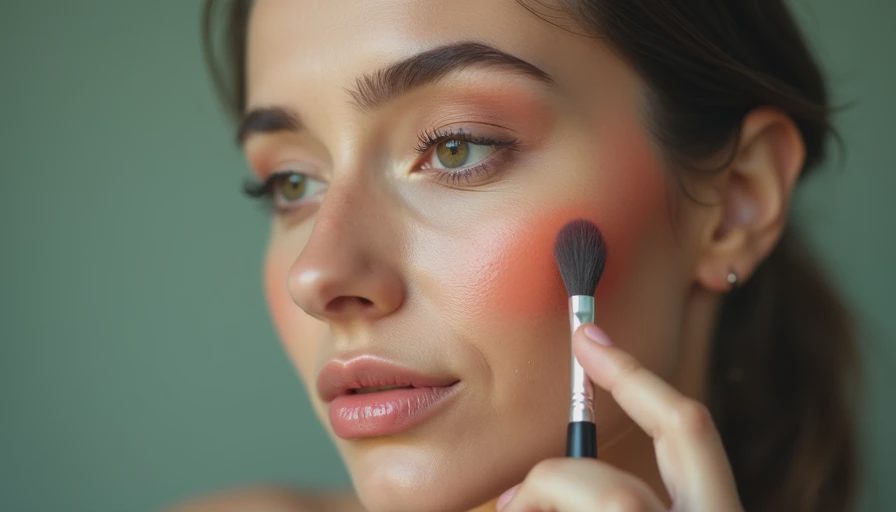
Your natural flush is often the best clue. Pinch your cheek gently or notice the color after walking from the parking lot into the office. A blush that resembles that temporary flush will usually look more polished than a shade chosen only because it looks pretty in a pan.
Match blush to your skin depth
Skin depth matters because the same color can look soft and professional on one person but chalky or harsh on another. Very fair skin generally works well with sheer pink, pale peach, soft apricot, and muted cool rose. Apply a small amount first; highly pigmented formulas can become too obvious before you have time to blend.
Light to medium skin tones often have the widest range of office-friendly choices. Try dusty rose, peachy pink, coral, warm mauve, or a muted raspberry. If you want to know what color blush should I wear for everyday meetings, start with a medium rose or neutral peach. These shades add definition without competing with your eyes or lipstick.
Medium-deep and deep skin tones usually need more saturation to keep blush from disappearing. Rich berry, brick rose, burnt coral, plum, terracotta, and warm cranberry can look beautiful and natural when applied in thin layers. Avoid assuming that a pale pink will create a delicate effect. On deeper skin, it may leave a gray or powdery cast instead of a fresh flush.
Cream and liquid blushes can be especially useful when powder shades look flat. Brands such as Rare Beauty, e.l.f., Milani, and Tower 28 offer formulas in different intensity levels, while drugstore options from Maybelline and L'Oreal can be practical for a first color experiment. The brand matters less than choosing a shade with enough depth for your complexion.
Choose the finish for real office life
Finish changes how a blush behaves as much as color does. A satin or softly luminous formula can make tired skin look more awake, particularly in an air-conditioned office. Keep the glow fine and restrained. Large shimmer particles can emphasize texture and look distracting during a close meeting.
Matte blush is dependable when you have oily skin, wear glasses, or expect a long day with commuting and errands. It also pairs well with a dewy foundation because it keeps the overall face from looking slippery. The problem is not matte itself; the problem is applying too much powder on dry skin and ending up with a patchy cheek by lunchtime.
For busy mornings, cream-to-powder formulas are often the easiest compromise. Tap them on with your fingers, blend the edges, and set only the center of the face if needed. If you use a liquid blush, place one dot on the back of your hand before applying it. This prevents the familiar situation where one cheek looks office-appropriate and the other looks ready for a stage performance.
What color blush should I wear with my lipstick?
Think of blush and lipstick as neighbors, not identical twins. A nude or beige lipstick usually looks balanced with peach, rose, or soft coral blush. Pink lipstick can work with cool rose or berry blush, but choose a softer cheek if the lip is bright. Red lipstick needs restraint: a muted rose, neutral peach, or barely-there flush keeps the face from becoming visually crowded.
Brown, terracotta, and cinnamon lip colors pair naturally with warm peach, brick rose, or bronze-rose cheeks. If your lipstick has a strong blue undertone, a warm orange blush may look disconnected. When in doubt, choose a blush that shares the same temperature as your lip color and is one or two levels softer.
This is also where the answer to what color blush should I wear can change from Monday to Friday. A sheer peach may be perfect with a beige sweater and minimal eye makeup, while a deeper rose works better with a navy dress and defined brows. The cheek should support the outfit, not announce itself before you do.
A five-minute application that survives meetings
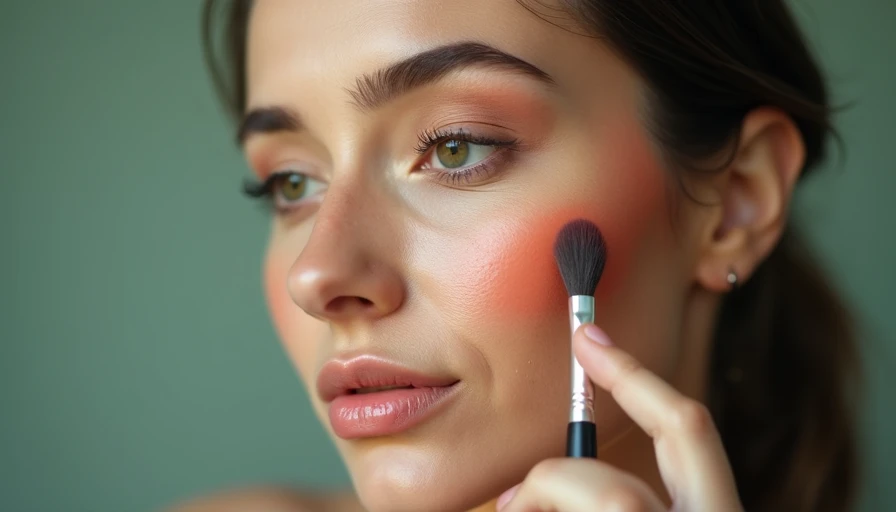
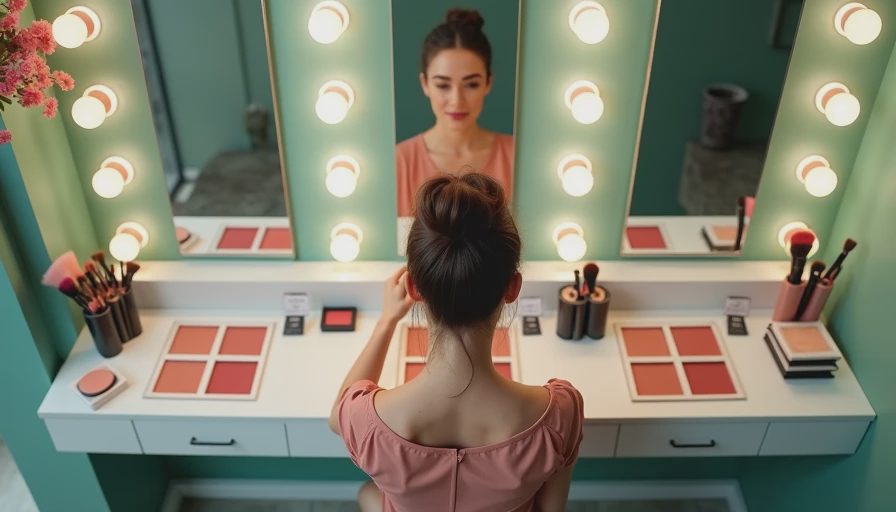
Start with moisturized skin and your usual base. Smile only slightly, then place blush on the fullest part of the cheek and blend upward toward the temples. Do not drag a strong stripe all the way to your hairline. That placement can look lifted in photographs but overly graphic in a conference room.
Use less product than you think you need, then wait a minute before adding more. Makeup can look stronger after it warms against the skin. If the color is too bright, soften it with the same sponge or brush used for foundation. If it is too faint, add a second thin layer rather than pressing one heavy layer into the center of the cheek.
For lasting power, layer compatible textures. A light cream blush under a small amount of powder blush can hold through a commute, lunch, and afternoon pickup. Keep the powder version close in color, not dramatically darker. A $12 drugstore blush can perform well when applied in thin layers, while a $30 formula is not automatically better just because the packaging looks expensive.
Common blush mistakes to skip
The first mistake is testing color under warm bathroom bulbs. A shade that looks subtle at home can turn orange or neon beneath office lighting. Check your face near a window, then take a quick phone photo without a beauty filter. The second mistake is matching blush exactly to a shirt. Coordination is useful, but an exact match often looks artificial.
The third mistake is placing blush too low. Color below the apples of the cheeks can pull the face downward, especially when the formula is heavily pigmented. The fourth is ignoring texture. Powder on dry, unprepared skin can cling to flakes, while a glossy cream may move if you touch your face frequently.
Finally, do not buy three shades because you are stuck on what color blush should I wear. Choose one everyday rose, peach, or neutral shade, wear it for a week, and observe it in daylight, fluorescent light, and a car mirror. If it cannot survive a Tuesday, it is not worth it.
The easiest answer for most working women
If you want one starting point, choose a muted rose for cool or neutral skin and a soft peach-rose for warm or neutral skin. Pick a satin or natural finish, apply a small amount high on the cheeks, and keep the rest of the makeup calm. That combination looks polished with mascara, brows, and a neutral lip without requiring professional technique.
The best answer to what color blush should I wear is the shade that resembles a healthier version of your own complexion and fits your actual schedule. It should look good before your first coffee, hold up through meetings, and remain believable at school pickup. Pretty in theory does not count. A practical blush earns its drawer space by making a normal Tuesday easier.