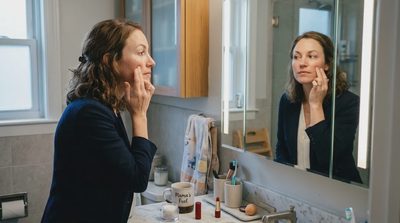
60s eye makeup is having a moment, but the original look was not designed for a nine-hour workday, a video call, or getting a preschooler into shoes. The dramatic liner and pale lid can be beautiful, yet they can also feel heavy at 8:15 a.m. I prefer a practical translation: defined lashes, a softly lifted crease, controlled color, and enough structure to look intentional without looking like a costume.
The goal is not to copy a vintage photograph line for line. It is to borrow the most flattering ideas from the decade and make them work with today's clothes, schedules, and lighting. If it can't survive a Tuesday, it's not worth it.
What makes 60s eye makeup recognizable
The classic look usually has four parts: a light or matte lid, a visible crease, a dark upper lash line, and substantial mascara. The shape creates the impression of larger, more open eyes. Twiggy-inspired lower lashes are part of the history, but drawing six perfect spikes under each eye is optional, especially for the office.
For a wearable version of 60s eye makeup, keep the lid shade close to ivory, beige, soft pink, or muted taupe. Then add a medium brown or gray-brown shade just above the natural crease. This placement matters more than the exact color because it gives the eye dimension without requiring a complicated cut crease.
Black liner can work, but espresso, charcoal, and deep navy are easier to wear in daylight. A crisp wing reads retro; a short lifted flick reads polished. The difference is usually a few millimeters, not a completely different technique.
A 10-minute 60s eye makeup routine
Start with an eye primer or a thin layer of concealer set lightly with powder. Too much creamy product causes shadow to slide into the crease before your first meeting. Brands such as Urban Decay, NARS, and Milani offer practical primers at different price points, but the best choice is the one you will actually use every morning.
Sweep a matte cream or soft beige across the lid and slightly above the crease. Next, use a tapered brush to place taupe or light brown in the crease, starting at the outer corner and blending inward. Keep the color concentrated at the outside two-thirds. This gives the lifted shape associated with 60s eye makeup without making the whole eye look smoky.
Apply liner from the center of the upper lash line toward the outer corner. Keep the inner corner thin, then angle the outer end slightly upward. A felt-tip pen is quick, while a gel pencil gives a softer result. If the line looks uneven, do not keep layering product. Smudge the edge with a small brush and call it intentional.
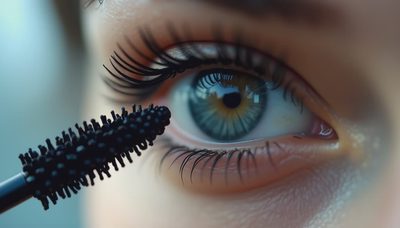
Finish with an eyelash curler and two thin coats of mascara. Concentrate the second coat at the outer lashes. For lower lashes, use the tip of the wand or a brown mascara and touch only a few individual hairs. This keeps the reference to 60s eye makeup while avoiding a spidery effect under fluorescent office lights.
Choosing colors that look current
The original decade loved strong contrast, but modern work makeup benefits from slightly softened color. Black and white can look striking for an evening event; for daytime, try ivory with espresso, pale pink with plum-brown, or champagne with slate gray. These combinations preserve the graphic quality without making your eyes the first thing everyone notices in a conference room.
If your eyelids are hooded, place the crease shade a little above the fold while looking straight ahead. Use a matte formula there because shimmer can emphasize texture and transfer. If your eyes are deep-set, keep the darkest color close to the lashes and use a lighter satin shade on the lid. If your eyes are downturned, extend liner upward only at the final quarter of the lash line rather than forcing a long wing.
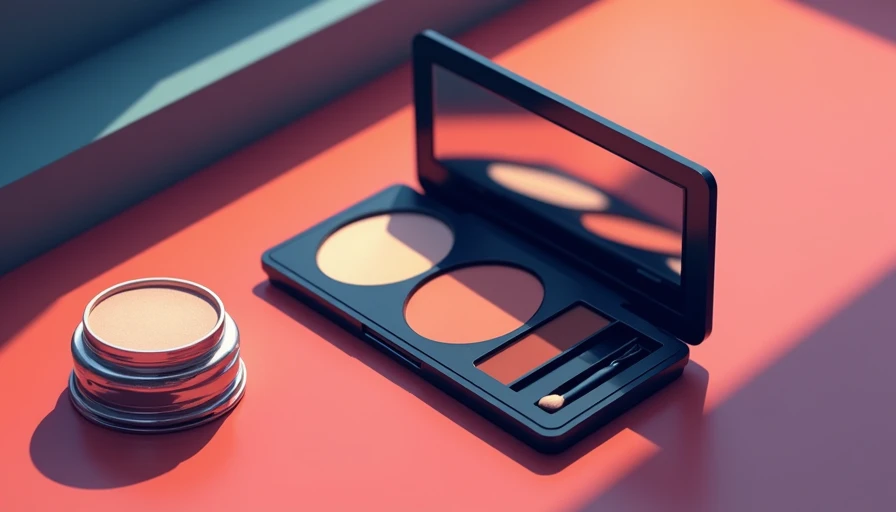
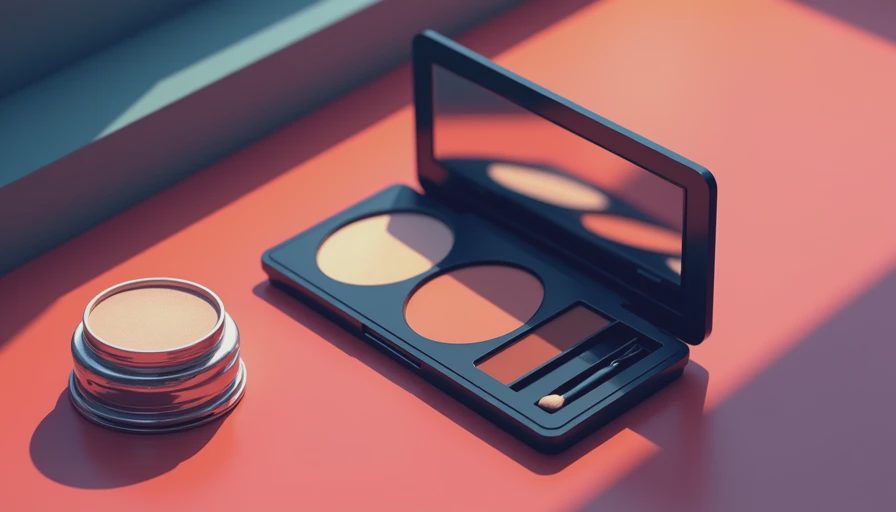
Cream shadows are convenient, but powder shadows often last longer through humidity, commuting, and a heated office. A small neutral palette from brands such as e.l.f., Maybelline, MAC, or Bobbi Brown can cover this entire routine. You do not need a twelve-pan palette to create 60s eye makeup.
How to keep the look from aging you
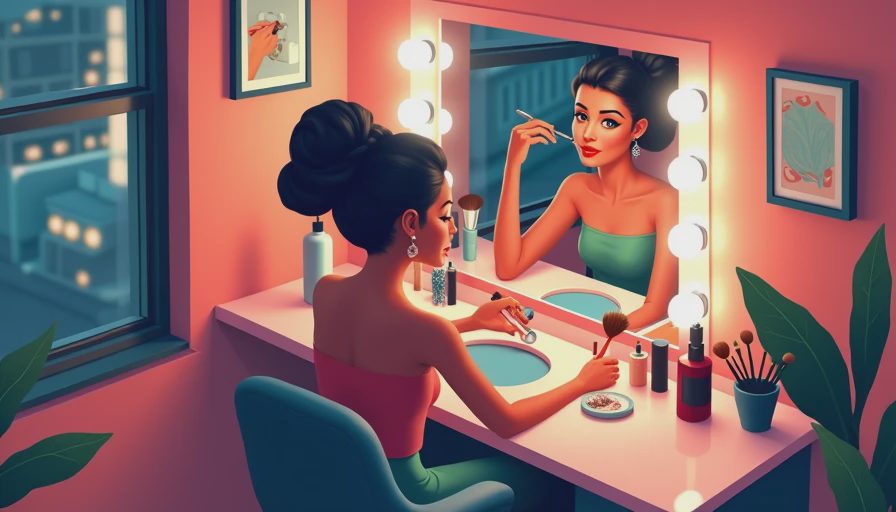
Vintage inspiration becomes dated when every element is equally strong. If the liner is bold, keep the crease blended. If you use dramatic lashes, skip heavy lower liner. A soft complexion and a muted rose or peach lip also help the eyes feel deliberate rather than theatrical.
Avoid extending a pale shadow all the way to the brow in a stark white stripe. That was common in some period looks, but it can make the face appear flatter today. Instead, leave a small gap below the brow or blend a skin-tone shade through the transition area. Groomed brows should frame the shape, not compete with it; use a pencil or tinted gel to fill gaps without creating a solid block.
For glasses, increase definition slightly at the lash roots because frames can visually reduce contrast. Waterproof mascara is useful if your eyes water during a commute, but removing it gently at night matters more than choosing the most stubborn formula. Oil-based remover or micellar water on a cotton pad can loosen makeup without repeated rubbing.
A realistic office test
I test 60s eye makeup under the conditions that expose weak routines: a rushed morning, a car ride, dry air conditioning, a three-hour meeting, and a late afternoon pickup. The winning version still has a visible crease and clean upper liner at 3 p.m. It does not need to look freshly applied, but it should fade evenly instead of collecting in one dark line.
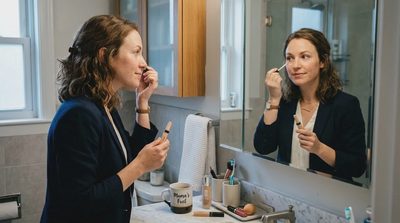
Before leaving home, look at the makeup from several feet away rather than pressing your face close to the mirror. If the liner is the only feature visible, soften the wing. If the crease disappears when your eyes are open, raise the placement slightly. If mascara has transferred, remove the mark with a dry cotton swab and add a trace of translucent powder beneath the lower lashes.
This approach to 60s eye makeup is especially useful when your wardrobe is simple. A navy sweater, white button-down, or gray blazer gives the graphic eye room to look intentional. You get the visual interest of vintage makeup without adding another demanding step to your morning.
Your five-minute version
On a genuinely late morning, skip the full palette. Apply a long-wearing taupe cream shadow, line the upper lashes with a brown pencil, curl your lashes, and add mascara. Use your ring finger to soften the outer edge so the line looks lifted rather than unfinished. That is enough to suggest 60s eye makeup with very little precision.
Keep one compact palette, one dependable liner, and one mascara in your work bag. A cotton swab and a small concealer can repair most midday problems. Before buying another product, ask whether it improves wear time, makes application faster, or fills a genuine color gap. Pretty in theory does not count.
The best 60s eye makeup for a working woman is recognizable but adaptable. It gives your face structure, survives ordinary office lighting, and takes about ten minutes once the steps become familiar. Start with softer colors, practice the short wing on a non-rushed morning, and adjust the intensity for your workplace. If it can't survive a Tuesday, it is not worth keeping in the drawer.