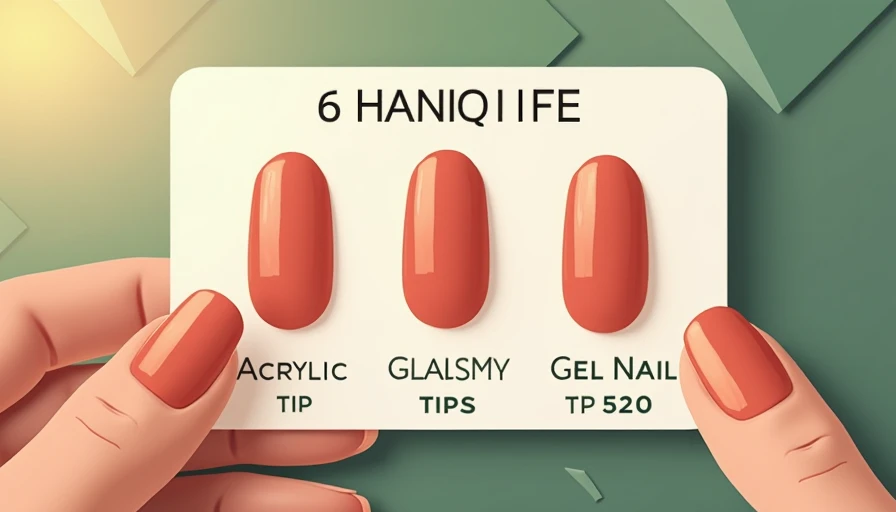
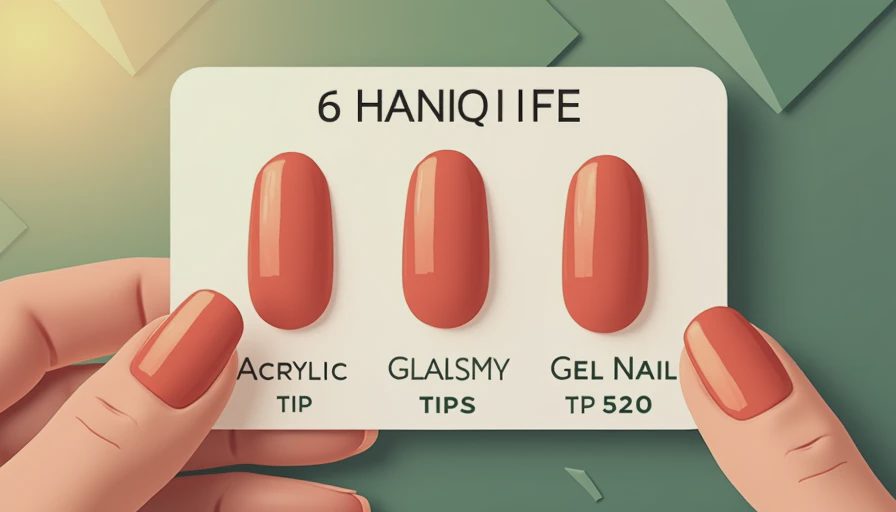
When you are comparing acrylic nails vs gel, the real question is not which set looks best in a close-up photo. It is which manicure can handle typing, handwashing, commuting, meetings, grocery bags, and the occasional child using your hand as a step stool. Both options can look polished and professional, but they behave differently once you leave the salon. Here is the practical breakdown for anyone who wants neat nails without turning maintenance into a second job.
Acrylic nails vs gel: what is the actual difference?
Acrylic enhancements are made by combining a liquid monomer with a powder polymer. The nail technician shapes the mixture over your natural nail or a tip, and it hardens in the air. Acrylic is firm, highly shapeable, and often the better choice when you want extra length or a dramatic change to your natural nail.
Gel enhancements use a gel product that cures under an LED or UV lamp. The category includes soft gel polish, structured gel, and hard gel extensions, so “gel” does not describe just one service. Soft gel polish adds color and shine but usually does not add much length. Hard gel and structured gel can provide reinforcement while feeling lighter and more flexible than acrylic.
That distinction matters when comparing acrylic nails vs gel at the booking screen. A gel manicure and gel extensions are not the same appointment, and the price, removal process, and expected wear can be very different.
Acrylic usually costs about $35 to $70 for a basic full set, with fills commonly running $25 to $50. Gel polish often costs $30 to $55, while hard gel extensions can reach $60 to $100 or more in major cities. Nail art, length, shape, and the salon’s location can move those numbers quickly.
Durability, flexibility, and everyday wear
Acrylic is the sturdy option. If you regularly open packages, type all day, clean your kitchen, or tend to knock your nails against desks and car doors, acrylic can offer useful protection. A properly applied set commonly lasts two to three weeks before a fill is needed. The enhancement itself is not disposable, but the visible gap near the cuticle grows as your natural nail grows.
Gel is generally more flexible. That can make it feel more natural, especially if you dislike the hard, thick sensation of acrylic. Gel polish typically lasts around two weeks, while structured gel or hard gel may last longer when applied well. The tradeoff is that flexibility can become a weakness if your nails are exposed to repeated bending or heavy impact.
In the acrylic nails vs gel debate, durability is not only about the product. Prep, application thickness, nail length, daily habits, and removal technique matter just as much. A thin, carefully applied acrylic set can outperform a rushed gel service, and a well-built structured gel manicure can easily outlast poorly maintained acrylic.
For a busy office schedule, medium almond, short square, and short squoval shapes are usually more practical than long stilettos. They look polished under fluorescent lighting, do not interfere as much with a keyboard, and are less likely to catch on a sweater before a morning meeting.
Which option is healthier for natural nails?
Neither acrylic nor gel is automatically damaging. The main problems usually come from aggressive filing, picking, peeling, improper removal, or wearing a grown-out set too long. When an enhancement lifts, moisture can become trapped underneath, and forcing it off can remove layers of the natural nail.
Acrylic removal generally involves filing down much of the product and soaking the remainder in acetone. Gel polish is also usually soaked in acetone, although hard gel may need careful filing because some formulas do not dissolve completely. Do not let anyone pry an enhancement off with a metal tool or peel it away at home.
If your nails are thin, flexible, or already peeling, a short gel polish manicure may be more comfortable than a long acrylic set. If your nails are very weak but you still want structure, ask about a builder gel or structured gel service. A qualified technician can assess the nail plate and explain what the product can realistically support.
Healthy maintenance also means giving the cuticle area basic care. Apply cuticle oil once or twice daily, wear gloves for prolonged cleaning, and use your fingertips rather than your nails to open cans or scrape labels. These small habits protect either type of manicure.

Acrylic nails vs gel for an office-friendly manicure
For work, the finish often matters more than the extension type. A sheer pink, soft beige, muted rose, or classic red looks intentional without competing with your clothes. A short gel manicure is a good fit if you want a clean, low-profile result that feels close to the natural nail.
Acrylic makes more sense if you need a consistent shape because your natural nails grow unevenly or break at different lengths. It can also be a better base for a conservative French manicure, since the technician can create a uniform extension. Keep the length moderate if you spend hours typing or regularly use a phone, badge scanner, or touchscreen.
When considering acrylic nails vs gel for professional settings, think about the maintenance appointment as well. Acrylic fills are usually scheduled every two to three weeks. Gel polish removal and reapplication can take less time, but frequent soaking may leave already-dry nails feeling rough. Structured gel sits between the two: it offers reinforcement without necessarily creating a heavy look.
A simple test is to imagine your busiest Tuesday. Will the shape let you type quickly? Can you wash your hands without worrying about lifting? Does the color still look appropriate when you are presenting a budget, interviewing a candidate, or picking up a child after work? Pretty in theory does not count if the manicure makes normal tasks annoying.
How to choose before booking
Start with your natural nail goal. Choose acrylic if you want noticeable length, a very specific shape, or a hard protective layer. Choose gel polish if you already like your nail length and mainly want longer-lasting color. Ask about structured gel when you want added strength but prefer a lighter, more flexible feel.
Next, explain your actual routine to the technician. Mention frequent handwashing, cleaning products, sports, gardening, keyboard-heavy work, or a habit of picking at polish. Those details help determine length and thickness. Bring a photo of a realistic shape, not only an edited social media image with extreme length and elaborate art.
Before leaving, confirm the removal plan and the expected refill schedule. Ask whether the service uses LED curing, what products are used, and what to do if lifting appears. A reputable salon should answer directly rather than treating basic questions as an inconvenience.
The best choice in acrylic nails vs gel is the one you can maintain without picking, extending appointments past your budget, or choosing a length that fights your routine. If you want maximum structure and length, acrylic remains dependable. If you want a lighter feel and a natural appearance, gel is often the easier fit.
The practical verdict
Acrylic is the workhorse: strong, customizable, and useful for creating length. Gel is the more natural-feeling option, with several different services hiding under one short name. Neither deserves a blanket winner because your nail goals, schedule, budget, and removal habits decide the result.
For a first appointment, I would choose short structured gel or short acrylic with a neutral polish rather than committing to dramatic length. That combination gives you a fair test through commuting, meetings, lunch, and household chores. If it cannot survive a Tuesday, it is not worth keeping, no matter how good it looked in the salon chair.