An acrylic nails natural look is the manicure answer for anyone who wants tidy, strong-looking hands without walking into a Monday meeting with dramatic claws. The goal is not to make your nails look artificial. It is to create a neat shape, soft color, and clean finish that holds up through typing, commuting, coffee runs, and school pickup. Pretty in theory does not count. If the manicure cannot survive a Tuesday, it is not worth the appointment, money, or removal hassle.
What makes acrylics look natural?
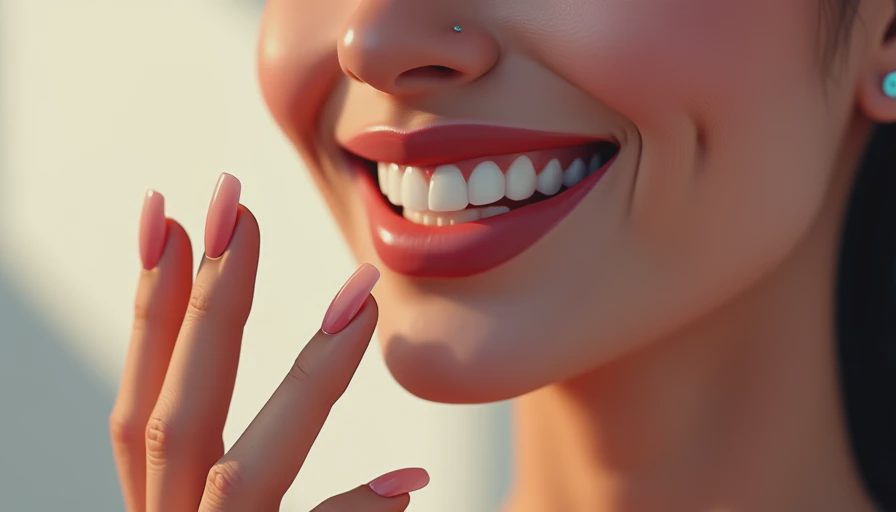
The most believable set starts with restraint. Ask for a short or medium-short length that follows your fingertip rather than extending far beyond it. A natural-looking acrylic should let you open a car door, fasten a child’s jacket, and use a phone without feeling like your hands have become tools you need to operate carefully.
Shape matters just as much as length. Soft square, squoval, and short almond shapes are usually the easiest to wear at work. A soft square gives a crisp, practical appearance, while a short almond can visually lengthen wider nail beds without looking theatrical. Extremely pointed stiletto nails and very long coffin extensions can be beautiful, but they require more maintenance and can appear out of place in conservative offices.
Thickness is another giveaway. Thick acrylic at the cuticle or bulky tips can make even a subtle nude polish look obvious. A skilled nail technician should taper the product smoothly from the cuticle area toward the free edge. The finished surface should look even from the side, not like a raised ridge sitting on top of your natural nail.
Choosing the right color
The best acrylic nails natural look usually comes from colors that are close to your natural nail tone but not necessarily an exact match. Sheer pink, milky white, pale beige, soft peach, and muted rose are reliable choices. A translucent pink can make the nail bed look healthier, while a warm beige creates a polished effect that works with black suits, denim, and weekend clothes.
Do not choose a nude by looking only at the bottle. Hold the color near your hand under the salon’s lighting. A shade that looks creamy in a display may turn gray, orange, or overly pink once applied. If your skin has a cooler appearance, try a rosy nude or soft mauve. If warmer colors look better on you, peach beige, caramel nude, or a muted tan can be more flattering.
French tips can also work, but keep the design narrow and the contrast low. A thin white tip over a sheer pink base feels classic. A thick, bright white French tip on a long square nail creates a very different effect and can quickly move from office-friendly to high-maintenance. The same rule applies to chrome, glitter, and nail art: one restrained detail is usually more wearable than a full set of competing accents.
How to request the manicure at a salon
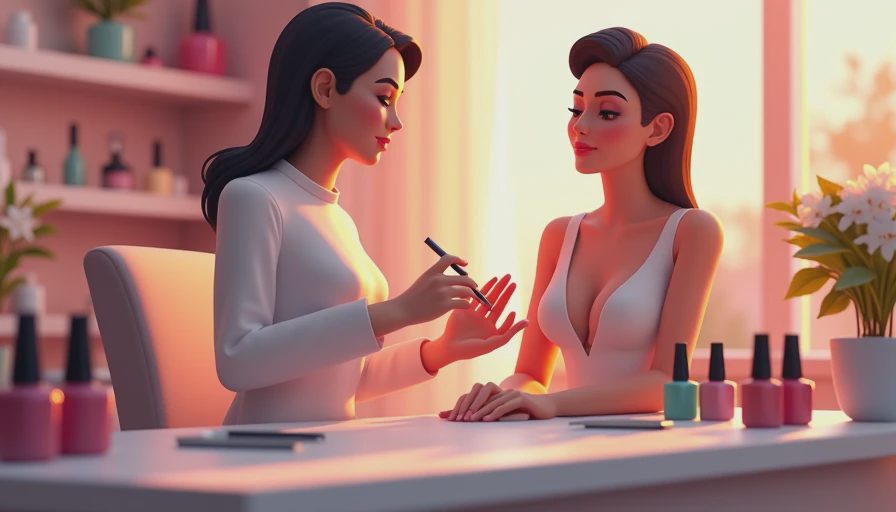
Bring a reference photo, but explain the practical result you want in plain language. You can say, “I want short squoval acrylics with a thin, natural-looking overlay and a sheer pink nude.” That gives the technician useful direction without relying on a vague phrase such as “make them natural.” Mention your job and daily routine if length is a concern. Someone who types all day needs a different set from someone attending a weekend event.
Before the application begins, look at the sample tips or color swatches. Ask how much length will remain beyond your fingertips and whether the product will be filed thin near the cuticle. A reputable technician should not pressure you into a longer shape or treat a smaller request as boring. The point of an acrylic nails natural look is control: you are paying for a manicure that fits your life.
Cuticle care should be gentle. The cuticle helps protect the area where the nail grows, so aggressive cutting or digging can leave the skin sore and vulnerable to irritation. Clean preparation, careful filing, and proper sanitation matter more than elaborate decoration. If a salon rushes through these steps, a bargain price is not much of a bargain.
Making the set last through a workweek
Acrylics are durable, but they are not indestructible. Use the pads of your fingers instead of the tips when opening cans, peeling labels, or prying at packaging. Keep a small file in your desk or purse for a rough edge, and never bite or pull at lifted product. Picking can damage the natural nail underneath and turn a minor repair into a full removal appointment.
Hand cream and cuticle oil make a visible difference. Apply oil at night, especially if you wash your hands frequently or work in a dry, air-conditioned office. A simple jojoba-based cuticle oil can keep the surrounding skin from looking cracked while helping the manicure appear fresher between appointments. Gloves are useful for cleaning dishes or handling household products, since repeated water exposure can weaken the bond at the edges.
The acrylic nails natural look is easiest to maintain when you book a fill before the growth becomes dramatic. For many people, that means roughly two to three weeks, depending on how quickly their nails grow and how carefully they treat the set. Waiting until the acrylic is lifting, snagging, or visibly separated creates more opportunity for moisture and damage.
Common mistakes that make acrylics look fake
The first mistake is choosing too much length because the longer sample looked elegant in a photo. In real life, length changes how you type, carry groceries, buckle a seat belt, and manage a toddler’s shoes. Start shorter than your impulse suggests. You can add length at the next appointment, but you cannot make an overly long set practical without reshaping it.
The second mistake is selecting a color that is too opaque. A dense concealer nude can look flat and painted on, particularly when it does not coordinate with your hands. Sheer layers allow a little natural variation to show through and tend to look more forgiving as the manicure grows out.
The third is ignoring the side profile. Ask to see one nail from the side before the final topcoat. If it looks thick, sharply curved, or uneven, speak up while the technician can still correct it. An acrylic nails natural look depends on structure that appears intentional from every angle, not just the view from above.
A practical office-ready formula
For the safest appointment, choose short squoval or short almond tips, a thin overlay, and a sheer pink, milky beige, or muted peach polish. Add a glossy topcoat and skip bulky charms, large stones, and busy patterns. This combination looks finished in fluorescent conference-room lighting, still photographs neatly for a video call, and will not compete with a bright blouse or statement earrings.
If you prefer a little more personality, use one accent nail in a soft taupe, barely-there shimmer, or narrow micro-French tip. Keep the other nails consistent so the overall effect remains calm. Brands such as OPI, Essie, and Gelish offer many neutral shades, but the application matters more than the label. A beautiful color cannot rescue uneven shaping or poor prep.
An acrylic nails natural look should make your morning easier, not create another task. You should be able to glance down during a meeting and see clean, polished hands rather than a manicure demanding attention. Bring a clear request, choose a length you can actually live with, and schedule maintenance before the growth becomes obvious. That is the difference between a set that looks good in salon lighting and one that earns its drawer space in real life.