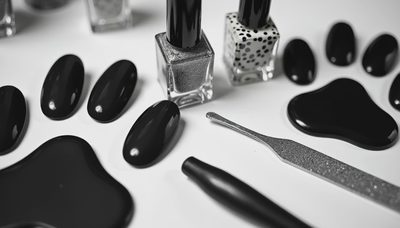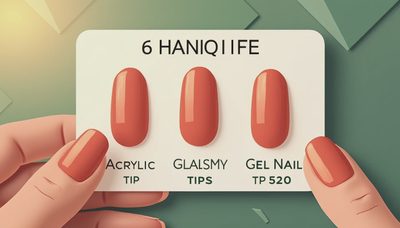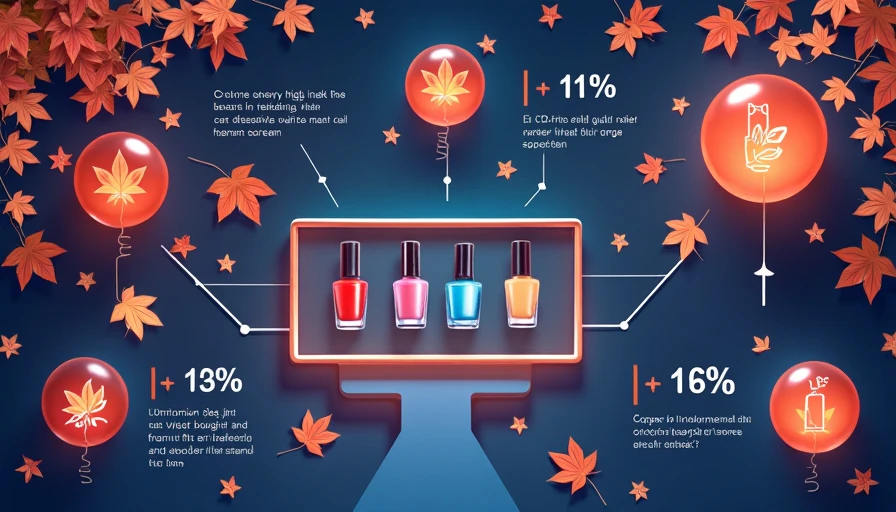
Autumn leaves on nails are one of those seasonal ideas that can look either thoughtfully styled or like a craft project from a school open house. The difference is restraint. For a normal workday, the best version uses a quiet base, two or three fall colors, and a design simple enough to finish before the school bus arrives. I tested this look against coffee runs, fluorescent office lighting, long meetings, and the inevitable afternoon hand washing. If it can't survive a Tuesday, it's not worth it.
Why This Fall Nail Look Works for Work
The appeal of autumn leaves on nails is that the design feels seasonal without requiring glitter, oversized decals, or a full set of complicated art. A single leaf on each ring finger can make a neutral manicure feel intentional. Tiny branches on two nails create more interest while keeping your hands appropriate for a client meeting. The look also works across nail lengths. Short, rounded nails can carry a small maple leaf, while medium almond or squoval nails offer more room for a branch and a few dots.
The practical advantage is flexibility. You do not need an outfit built around orange and brown. A camel sweater, navy blazer, cream button-down, or black dress all work with this palette. The design reads as seasonal from October through Thanksgiving, but it does not look dated the moment the calendar changes. Pretty in theory does not count, and this is good for real life, not just bathroom lighting.
Choose a Palette That Looks Polished
Start with a base color that gives the artwork room to show. Sheer beige, warm ivory, muted taupe, dusty rose, and soft caramel are dependable choices. If your workplace is conservative, a translucent pink or creamy nude will look especially clean. A deep espresso or burgundy base is attractive for evening plans, but it can make small leaf details harder to see in an office.
For the leaves, choose two shades with clear contrast. Terracotta and mustard create a classic fall combination, while rust and olive feel more modern. Chocolate brown, copper, and muted cranberry are useful if you prefer a darker manicure. I would skip neon orange and bright yellow for a workweek design; they tend to compete with everything from your cardigan to your coffee cup.
A good formula is one neutral base, one warm accent, and one dark outline. For example, use Essie Ballet Slippers or a similar sheer pink as the base, then add rust and brown details. You can use regular polish, gel polish, or nail art pens, but each layer needs to be thin. Thick paint is the fastest route to dents and peeling.
Four Designs You Can Actually Finish
The easiest version of autumn leaves on nails is a two-accent manicure. Paint every nail in your neutral shade, then add one small leaf near the sidewall of each ring finger. Use a fine brush to draw a short stem, three pointed lobes, and a small vein. The slight asymmetry looks more natural than trying to make both leaves identical.
For a little more detail, place a tiny branch across the ring and middle fingers. Keep the branch near the cuticle or along one side rather than stretching it across the entire nail. A scattered leaf design is another workable option: add three small leaves on one nail, two on the next, and leave the rest plain. This creates balance without making every finger compete for attention.
If your drawing skills are limited, use a stamping plate or water decals. Apply them over fully dry polish, smooth the edges, and seal with top coat. Decals are often more reliable than attempting ten hand-painted leaves during a rushed evening. The goal is a manicure that looks finished from normal conversation distance, not a close-up image edited for social media.

A Fast Application Plan for Busy Mornings
Do the color work the night before whenever possible. Remove old polish, shape the nails, push back loose cuticle skin gently, and wipe each nail with alcohol or polish remover to remove oil. Apply a thin base coat, followed by two thin layers of your neutral color. Wait several minutes before adding leaves; if the base is still soft, the brush will drag it.
Use a detail brush, dotting tool, or the tip of a clean toothpick. Draw the stem first, then make three short angled strokes for each leaf. Do not keep correcting the shape. A leaf that is slightly uneven usually looks more believable than one surrounded by blobs of polish. After the art sets, apply a generous but controlled layer of quick-dry top coat, running the brush across the free edge to slow chipping.
For a genuinely short routine, use a nude polish and decorate only two nails. The entire look can take about 20 minutes, including drying time, instead of turning into a full evening project. Keep a small cleanup brush and remover nearby so you can sharpen the edges before the top coat.
How to Make the Manicure Last Through the Workday
The most durable autumn leaves on nails start with clean, dry nails and thin layers. Avoid applying polish immediately after a shower because softened nails and leftover moisture can encourage early lifting. Wear gloves for dishes and cleaning, and use your fingertips rather than your nails when opening cans, peeling labels, or searching through a packed work bag.
Top coat is not optional if you want the design to last. Add another thin layer after two or three days, especially across the tips. If one leaf chips, remove the loose section with a small brush and cover it with a dot, a fresh vein, or a coat of the base color. A small repair is much faster than starting over.
In my desk test, simple autumn leaves on nails looked better at lunchtime than detailed designs because there were fewer raised edges to catch on clothing and fewer fine lines to wear away. If your hands are constantly washed or sanitized, choose two accent nails and keep the remaining polish plain.
Final Shopping and Style Checklist
You only need a few supplies: base coat, neutral polish, two fall shades, a fine brush or decals, and a glossy top coat. Brands such as Sally Hansen, Olive & June, Essie, and OPI offer accessible colors in the beige, rust, brown, and burgundy range. You do not need a professional kit or a dozen seasonal bottles.
Before you start, look at the clothes you actually wear to work. If your closet is mostly black, gray, and navy, rust and copper will add warmth. If you wear camel, cream, and denim, olive and chocolate brown will blend naturally. Keep the design small, let the base color show, and stop before the manicure feels busy.
The strongest autumn leaves on nails are not necessarily the most detailed. They are the ones you can apply without sacrificing sleep, wear through meetings and errands, and still feel comfortable showing when you reach for your phone. A restrained seasonal manicure earns its place in the drawer because it works beyond one photograph. If it can't survive a Tuesday, it's not worth it.