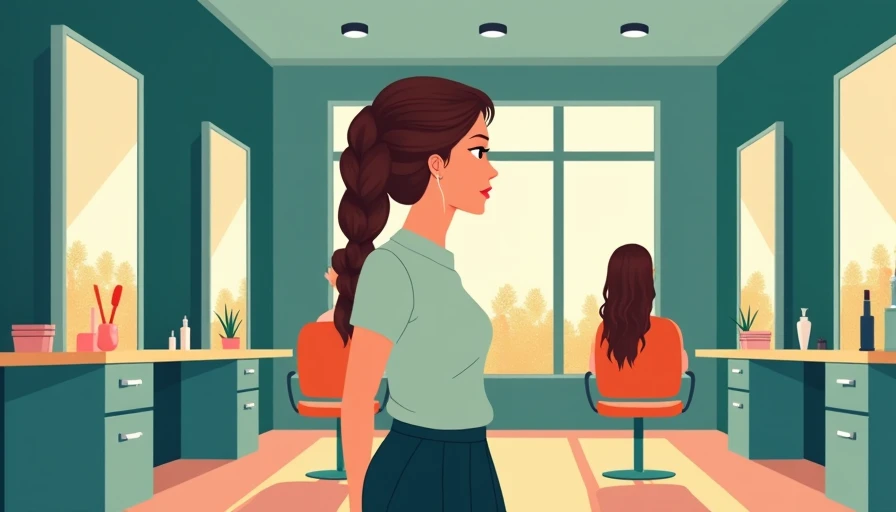
A braided half style is one of the few hairstyles that can look finished at 8:15 a.m. without requiring professional technique. The best braided half option keeps hair away from your face, works with office clothing, and still looks presentable after a commute, a meeting, and school pickup. I like it because it solves a real problem: you get structure without putting every strand into a tight, overly formal updo.
This is not a red-carpet braid or a style that needs forty minutes, six clips, and a ring light. It is a practical choice for busy women who want their hair to look intentional while their makeup stays simple. If it can't survive a Tuesday, it's not worth it.
Why this style works for the office
A braided half hairstyle gives you the neatness of pulled-back hair while preserving enough movement to avoid looking severe. It works especially well with shoulder-length or longer hair, although shorter layers can be pinned into a smaller version. Straight, wavy, and lightly curled textures all work. Very smooth hair may need dry shampoo or texturizing spray so the braid does not slide out by lunchtime.
The style also photographs and wears well under fluorescent lighting. A simple braid creates definition around the temples without making your whole look feel trendy or overly young. Pair it with a knit top, blazer, button-down shirt, or simple sweater and it reads as polished rather than precious. That matters in an interview, a client meeting, or any workplace where you want your appearance to support the conversation instead of becoming the conversation.
For most offices, a three-strand braid is the safest starting point. A small fishtail can look beautiful, but it takes longer and can appear more decorative. The goal is controlled and comfortable, not complicated.
The 10-minute braided half method
Start with dry hair and a clean center or soft side part. Do not begin with freshly washed, slippery hair unless you have naturally coarse texture. On second-day hair, mist a little dry shampoo at the roots and brush it through. This gives the braid grip and adds modest volume without making the hair look dusty.
Take a section about one inch wide above one temple. Divide it into three pieces and braid backward, keeping the tension steady rather than tight. After three or four crossings, add a small amount of hair from the top edge before each new crossing. You are creating a French-style braid that travels toward the back of your head.
Stop behind the crown, secure the braid with a small clear elastic, and repeat on the other side. Join both braids at the back with a second elastic or two bobby pins crossed in an X. For a softer braided half look, gently pull the outer edges of the braid by a few millimeters. Do not tug hard; loosened sections can turn frizzy and uneven within an hour.
Finish with a light flexible-hold spray. Products such as Kenra Volume Spray 25, L'Oreal Paris Elnett, or a modest mist of Kristin Ess Working Texture Spray can help, but the amount matters. A heavy coating makes hair stiff and can leave residue on dark clothing. Leave the lower lengths natural, or add a quick bend with a large curling iron if you have another three minutes.
Adjusting the braid for hair type and face shape
Fine hair usually needs volume at the crown before braiding. Lift the top section with your fingers, spray dry shampoo underneath, and wait thirty seconds before brushing it through. Avoid applying oil near the roots because it can flatten the style immediately. A small amount of lightweight serum on the ends is enough if they look dry.
Thick hair benefits from smaller sections and stronger pins. If your hair is heavy, use two long bobby pins on each side instead of relying on one short pin. Wavy hair can be left natural, and a few escaped pieces around the ears often make the finished look more relaxed. For frizz-prone hair, smooth only the surface with a pea-sized amount of styling cream. Covering every strand in product is not necessary.
A braided half style can also balance the proportions of your face. A center part and low-volume braid look clean and symmetrical. A side part with a little height at the crown adds softness. If your forehead feels exposed, leave two fine pieces near the hairline rather than pulling the front completely flat. These small changes make the same basic technique feel customized without adding significant time.
Makeup that matches without competing
Because the hair already creates detail around the face, keep makeup calm and dependable. Use a thin layer of skin tint or medium-coverage foundation only where you need it, then add concealer under the eyes and around visible redness. A cream blush in rose, peach, or muted berry gives the face life without creating another high-contrast element.
For eyes, taupe, soft brown, bronze, or muted plum work better than a very bright shadow with an office braid. Tightline the upper lashes or use a brown pencil instead of a thick black wing. Mascara should separate and lift, not leave flakes on your cheeks during a long meeting. A tinted balm, rose lipstick, or neutral mauve completes the look in under two minutes.
The combination is especially useful when your morning is crowded. You can create the braided half first, apply complexion products while the braid settles, and use the final minute for flyaways and lip color. If your hair has started to loosen by afternoon, refresh the front with your fingers instead of rebuilding the entire style.

Making it last through commute and meetings
The biggest enemy is friction. Coat collars, car headrests, headphones, and repeated hair touching can loosen the braid. Keep two spare bobby pins in your desk drawer and one small elastic in your makeup bag. If the style begins to sag, pin the joined section closer to the head rather than tightening the entire braid. That preserves comfort and prevents a headache.
Humidity requires a slightly different approach. Apply anti-frizz spray to your hands first, then smooth your palms over the surface. Spraying directly onto the braid can leave one area wet and shiny. In dry office air, avoid repeatedly brushing the lower lengths because static creates more flyaways. A tiny amount of hand cream rubbed over the fingertips can calm stray ends in an emergency, provided you do not touch the roots.
If you wear glasses, place the side braids behind the arms before securing them. This prevents pressure at the temples and keeps the hair from catching when you remove your frames. If you wear a headset, make the braids slightly higher so the band does not rub directly against the elastics.
A practical decision for busy mornings
Choose a braided half style when you want your hair off your face but still want to wear it down. It is a strong option for presentations, interviews, casual Fridays, and mornings when you have exactly ten minutes. It is less useful when your hair is soaking wet, extremely layered, or freshly coated in slippery conditioner. On those days, a low ponytail or claw clip will be faster and more secure.
The point is not to make every morning look styled. The point is to have one reliable method that does not demand perfect conditions. Practice the braid twice on a weekend, identify which pins stay put, and keep your preferred spray where you get ready. A braided half routine becomes genuinely quick once your hands know the sequence.
Pretty in theory does not count. The best version is the one that still looks tidy after coffee, fluorescent lights, a full calendar, and kid pickup. Keep the technique simple, the makeup balanced, and the product use light. That is how this style earns its place in a real working woman’s routine.