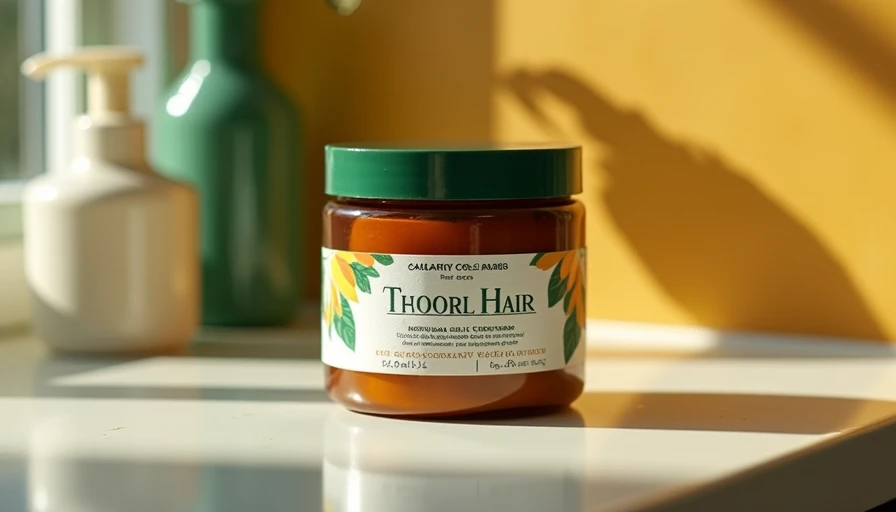
Finding black owned natural hair products is easy. Finding products that actually fit a busy schedule is harder. A cream can look impressive in a video and still leave your hair sticky, flaky, or flat before the first meeting. My standard is simple: the product needs to support a repeatable routine, not demand an entire Sunday afternoon and perfect bathroom lighting.
For working women, that usually means dependable moisture, manageable definition, and styling products that behave well under office air conditioning. The best black owned natural hair products are not automatically the most expensive or the most popular. They are the ones that match your porosity, density, curl pattern, and tolerance for maintenance.
Start with the routine, not the shopping cart
Before buying anything, identify what your hair needs on an average week. If your main problem is dryness, look for a water-based leave-in conditioner followed by a cream or light oil. If definition disappears overnight, a gel such as Camille Rose Curl Maker or a similar botanical styling gel may give better hold than layering more butter. If your scalp feels coated after two days, heavy oils and dense pomades are probably working against you.
A practical routine can be three products: cleanser, conditioner, and one styler. Add a leave-in only when your hair needs extra softness or detangling. Buying six products at once makes it impossible to know what caused buildup, flakes, or limp curls. It also creates the familiar bathroom shelf full of products that looked promising but never earned regular use.
For low-maintenance wash days, consider a gentle shampoo, a slippery conditioner, and a leave-in that can do more than one job. Melanin Haircare’s Multi-Use Softening Leave-In Conditioner is designed for several parts of a routine, while TGIN’s Green Tea Super Moist Leave-In Conditioner is often chosen for softness and detangling. Read the label and start with a small amount; even a good formula can feel heavy when applied like a mask.
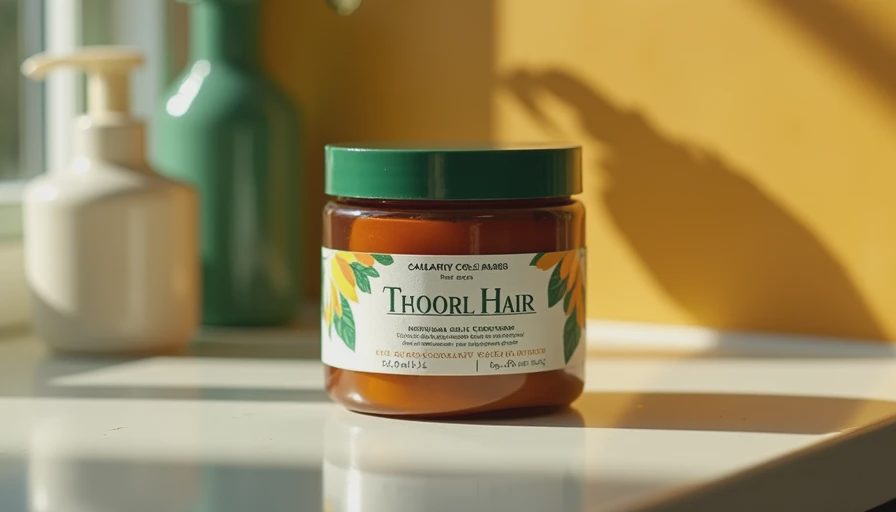
Black owned natural hair products for moisture without buildup
Moisture is not the same as oil. Water and water-based ingredients help hydrate the hair, while oils and butters help slow moisture loss and add slip. That distinction matters when your hair feels dry but looks greasy. Start with damp hair, apply a modest amount of leave-in, and use a cream or gel only where you need control.
Camille Rose, Adwoa Beauty, TGIN, and Melanin Haircare offer options across cleansing, conditioning, and styling categories. Adwoa Beauty’s Baomint collection, for example, is known for a refreshing scalp-focused approach, while Camille Rose products are popular with shoppers who want rich conditioners and curl stylers. Popular does not mean universal. A thick butter that works beautifully for dense coils may flatten fine curls by lunchtime.
Try one new product on a small section before using it across your whole head. Check the hair after drying, then again the next morning. If it feels soft but leaves residue on your hands, reduce the amount before abandoning it. If it creates white flakes when paired with your gel, the formulas may not layer well. Product compatibility matters as much as individual performance.
Choosing a styler for office-friendly definition
The right styler depends on the finish you want at work. A gel gives stronger definition and can help a wash-and-go last several days, but too much can create stiffness or visible flaking. A curl cream offers softness and movement, though it may not control humidity as well. A mousse can add volume without the weight of a dense cream, especially for hair that loses shape quickly.
Pattern Beauty’s leave-in and styling products are widely available and convenient when you want to compare several formulas in one line. Bread Beauty Supply is another option for a streamlined routine, particularly if you prefer lighter textures and simple packaging. With any brand, use enough product to coat the hair rather than repeatedly adding more after it starts drying. Excess layering is a common reason curls feel crunchy or dull.
For a polished office look, definition does not have to mean every curl is identical. A neat puff, low bun, braid-out, or stretched style can look more intentional than a rushed wash-and-go. Apply a small amount of gel around the hairline, smooth with a soft brush, and secure the style without pulling tightly. Pretty in theory does not count if the style gives you a headache by noon.

A practical shopping plan for black owned natural hair products
Build your collection in stages. First, replace the product that causes the biggest problem: a drying cleanser, ineffective conditioner, or styler that flakes. Next, add one product for your most common styling goal. If you wear a puff twice a week, edge control and a light moisturizer might be more useful than a new curl cream. If you regularly wear twists, prioritize a detangling leave-in and a product that reduces friction during takedown.
Price is another useful filter. A shampoo around $12 to $20, conditioner around $14 to $25, and styler around $15 to $28 can create a functional routine without turning every wash day into a major purchase. Larger jars are not always a bargain if the formula sits unused. Buy the smallest practical size when testing a new category, especially if your hair reacts easily to fragrance or protein.
Keep a short note in your phone with the product name, amount used, drying time, and next-day result. This takes less than a minute and prevents buying the same type of disappointing product repeatedly. If a $20 leave-in gives you four reliable weeks of detangling, it has earned more space than a $35 product that only works under ideal conditions.
How to test a product before committing
Use a three-wash test rather than judging after one application. On the first wash, observe slip, scent, and how easily the product spreads. On the second, adjust the amount and test the product with your usual cleanser and conditioner. On the third, evaluate longevity, frizz, scalp comfort, and how easily the style refreshes.
Watch for practical warning signs. Persistent itching, burning, or a rash is a reason to stop using a product. Heavy buildup that requires aggressive scrubbing is not a successful moisture routine. A strong fragrance that follows you into meetings may also become irritating, even if the hair looks good. Natural ingredients are not automatically gentle for every scalp, and “clean” marketing does not replace reading the ingredient list.
This process works especially well with black owned natural hair products because the category includes everything from lightweight sprays to rich custards. You do not need a complete brand collection. You need a few formulas that cooperate with your actual schedule, water, climate, and styling habits.
The workweek test
On Monday, apply the routine exactly as directed. On Tuesday, refresh with water and a small amount of leave-in rather than adding every product again. On Wednesday, decide whether your hair needs more moisture or simply a different style. By Thursday, note whether your scalp feels clean and whether the hold has become brittle. Friday is the final check: can you transition into a bun, puff, or protective style without fighting residue?
That is the standard I use when reviewing black owned natural hair products. A product does not need to create dramatic definition or look perfect in a close-up video. It needs to help you get ready, leave the house, sit through meetings, and handle dinner and bedtime without becoming one more problem. If it cannot survive a Tuesday, it is not worth keeping in the routine.
Start with one product that solves a clear problem, give it three washes, and keep notes. The result will be a smaller, smarter shelf and a routine you can repeat when the morning is already running late.